Wisconsin has more than 67 state parks and millions of acres of national and county forest, which means the range of camping here is wide: a full-hookup site in a Door County state park, a tent site on a quiet Northwoods lake, or a backcountry spot on a Lake Superior island reached by kayak. The challenge isn’t finding somewhere to camp in Wisconsin. It’s knowing which type of experience fits what you’re after and booking early enough that you actually get it. This guide breaks down the best areas, the best parks within them, and what to know before you reserve.
What Makes Wisconsin Worth Camping
Wisconsin’s camping terrain shifts dramatically across the state, shaped by the last ice age and by the two Great Lakes on its borders. The south-central Baraboo Hills give you quartzite bluffs, a cold lake, and first-rate hiking near the Dells corridor. The Northwoods opens into thousands of glacial lakes around Minocqua, Eagle River, and Hayward, where the loon calls are real and the fishing is serious. The far north along Lake Superior holds 21 sandstone islands in the Apostle Islands National Lakeshore and some of the most remote backcountry tent camping in the upper Midwest. Door County’s Peninsula State Park puts you on a forested bluff above Green Bay with access to the peninsula’s restaurants and fish boils 10 minutes away.
Four genuinely different camping experiences, all within a state you can drive across in an afternoon. That variety is the reason Wisconsin draws campers from Chicago, Minneapolis, and the Twin Cities year after year.
Best State Parks for Camping in Wisconsin
Our full rundown of the best state parks to visit in Wisconsin covers the parks in detail, but here’s how the top options break down specifically for camping.
Devil’s Lake State Park
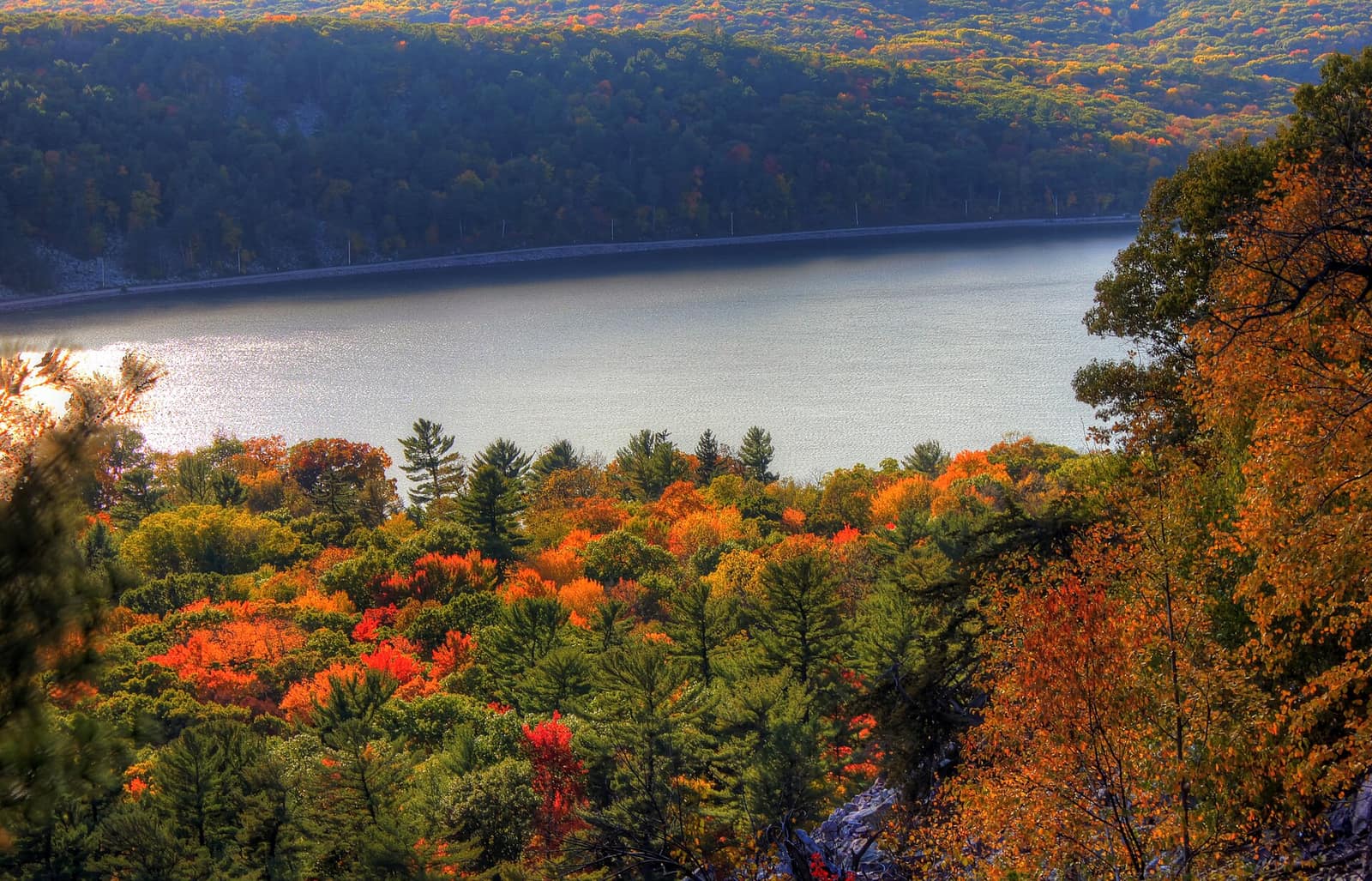
Devil’s Lake State Park is the most-visited park in the Wisconsin system, and its campgrounds fill accordingly. The park sits in the Baraboo Hills about 45 minutes north of Madison, built around a 360-acre lake flanked by 500-foot quartzite bluffs. Two main campgrounds handle most visitors: the South Shore Campground and the North Shore Campground. Between them they cover several hundred sites, some electric, some walk-in tent-only. The sites closest to the water book out months ahead for summer weekends. If you want a lakefront spot in July, reserve in January when the 11-month window opens. The hiking at Devil’s Lake is a strong reason to be here: the East Bluff Trail and Balanced Rock area give you views across the lake that are worth the climb.
Peninsula State Park
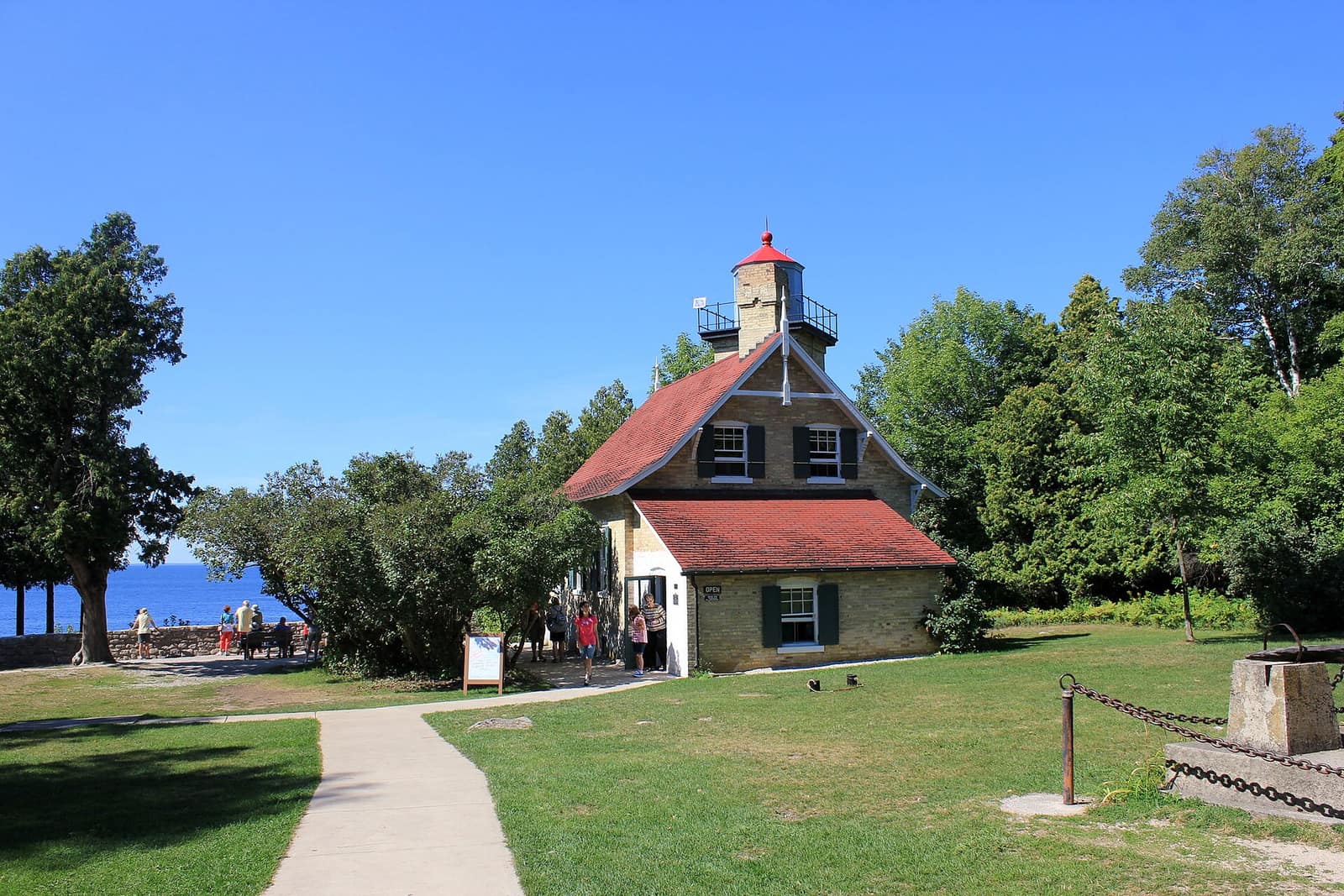
Peninsula State Park in Fish Creek has 469 campsites across multiple loops on a bluff above Green Bay in the heart of Door County. It’s the busiest park in the system for summer camping, but it’s also one of the most complete: swimming beach, an 18-hole golf course, a lighthouse you can tour, and access to the Sunset Bike Trail, an 8-mile paved loop through the forest. For families camping Door County rather than staying at an inn, Peninsula is the practical base. Sites are not remote, and you’ll share the campground. The trade-off is that you’re a 10-minute drive from Fish Creek’s restaurants and a 20-minute drive from the villages of Ephraim and Sister Bay.
Copper Falls State Park
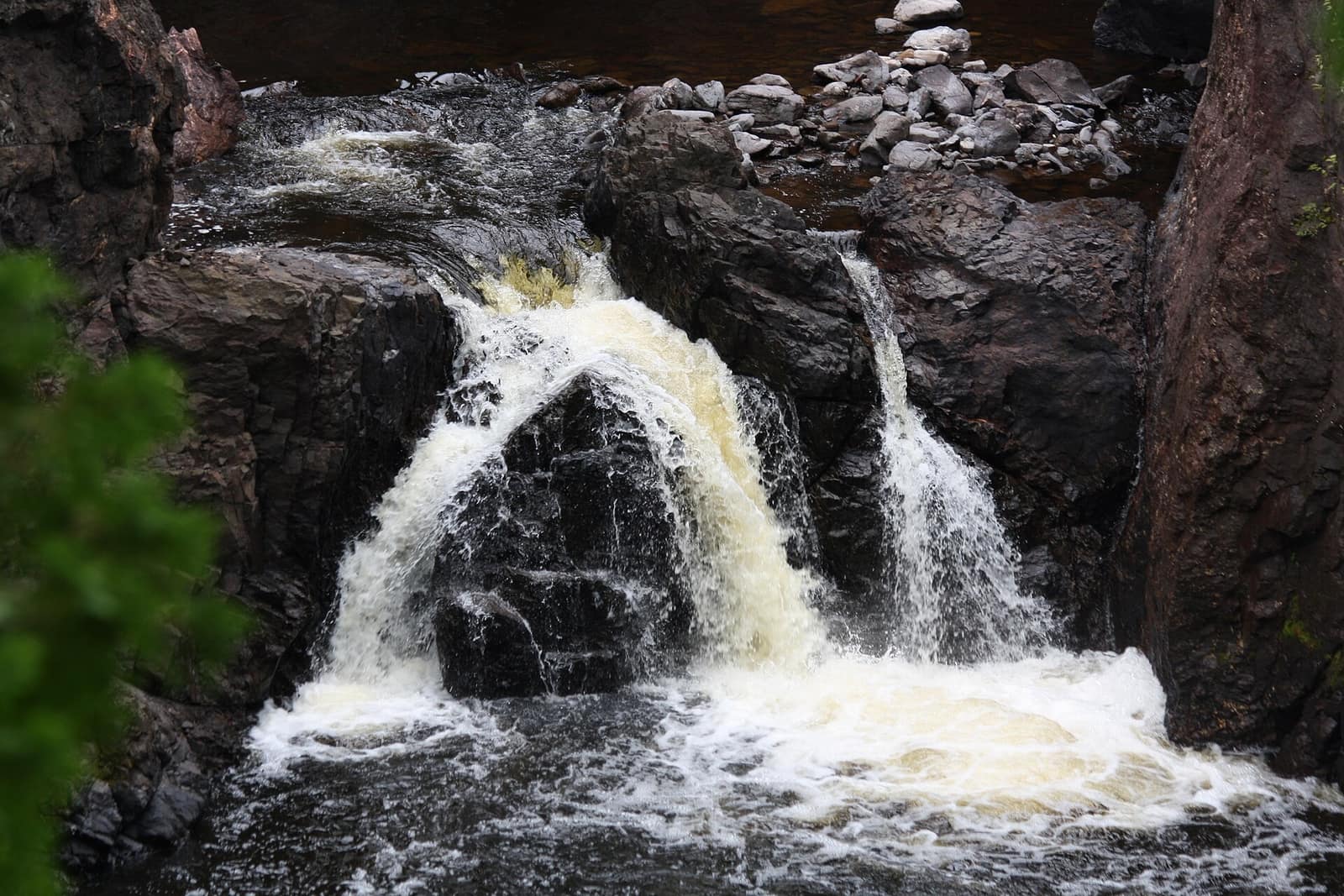
Copper Falls State Park sits outside the town of Mellen in northern Wisconsin, about 2 hours east of Duluth. It draws far fewer visitors than the southern parks, which is the appeal. The park centers on the Bad River and the Tyler Forks River, where the water drops over two waterfalls within easy walking distance of the trailhead. The campground has around 55 sites, mix of electric and tent-only. Mid-summer weekdays sometimes leave walk-in availability, which is nearly impossible at Devil’s Lake or Peninsula. Black bear activity near Copper Falls is common enough that the park recommends bear boxes or hanging your food, which is good practice here regardless of season.
Amnicon Falls State Park
Amnicon Falls, just east of Superior near the Minnesota border, centers on a series of waterfalls and cascades on the Amnicon River, with some of the falls accessible via a short covered footbridge. The campground is small, about 36 sites, and the park is primarily a day-use draw for Duluth-area visitors. As an overnight stop on a Lake Superior circuit, it fills a useful gap between the Apostle Islands and the Minnesota border.
Camping in the Wisconsin Northwoods
The Northwoods runs across the top third of Wisconsin and holds more lakes than most visitors from outside the region expect. The Chequamegon-Nicolet National Forest spans 1.5 million acres through the north-central corridor, and the Northern Highland-American Legion State Forest covers 225,000 acres around Minocqua, Boulder Junction, and Rhinelander. Both allow dispersed camping in designated areas, which means setting up a tent away from a developed campground for a flat fee or no fee in some locations.
For developed lake camping in the Northwoods, the county forest campgrounds in Vilas and Oneida Counties are practical. Sites typically run $10 to $20 per night (estimate, current rates vary by county) and don’t require advance reservations the way state parks do, especially mid-week. You get a lake, a boat launch, fire rings, and pit toilets, with loons on the water in the morning. These campgrounds are the right call for anglers who want to fish small glacial lakes without driving to a busy state park.
Peak season in the Northwoods runs July through August. The crowds are real but less compressed than in the south-central parks. September through early October is one of the best camping windows in the state here: color peaks in the Northwoods before it moves south, nights are cool, and most campgrounds still have availability.
Apostle Islands: Island Camping on Lake Superior
The Apostle Islands National Lakeshore manages 21 islands in Lake Superior off the coast of Bayfield. Camping on the islands is backcountry and requires a permit from the National Park Service. You reach the islands either via water taxi out of Bayfield or Cornucopia, or by kayaking across open water on Lake Superior, which is cold, unpredictable, and serious even in summer. Most island campsites have bear boxes, fire rings, and composting toilets, but no potable water at most locations, no stores, and no ranger presence on-site overnight.
Stockton Island is the most accessible starting point. It’s the largest island in the system, has a protected anchorage with a sand beach, and sees more NPS boat tour traffic than the outer islands. Outer Island and Michigan Island sit farther into the lake and draw more experienced paddlers and backcountry campers who want real solitude. Permits go through the NPS reservation system at nps.gov/apis and book up for summer weekends. Plan 3 to 6 months ahead for July and August dates.
Lake Superior’s weather is a planning factor that Lake Michigan camping doesn’t require. Water temperatures stay cold through summer, and the lake can build waves quickly. Check the NPS forecast before any open-water crossing.
When to Go Camping in Wisconsin
June through August is the main camping season. Temperatures are warm through the state, parks are operating at full capacity, and reservations are essential at any popular site. Early June before school lets out is noticeably quieter than July and still carries warm temperatures and long daylight. Late August sees crowds taper slightly as families shift back toward school calendars.
Late September through mid-October is the most underrated window for camping in Wisconsin. Northwoods color typically peaks the last week of September and the first week of October. Peninsula State Park and Devil’s Lake follow a week or two later. Campground rates at private sites often drop after Labor Day. Sites that were fully booked all summer open up. Mornings are cold (plan for lows in the 30s in the Northwoods), but afternoon hiking temperatures are comfortable and the parks are nowhere near their summer crowds.
For detailed seasonal tradeoffs across the state, see our guide on the best time to visit Wisconsin.
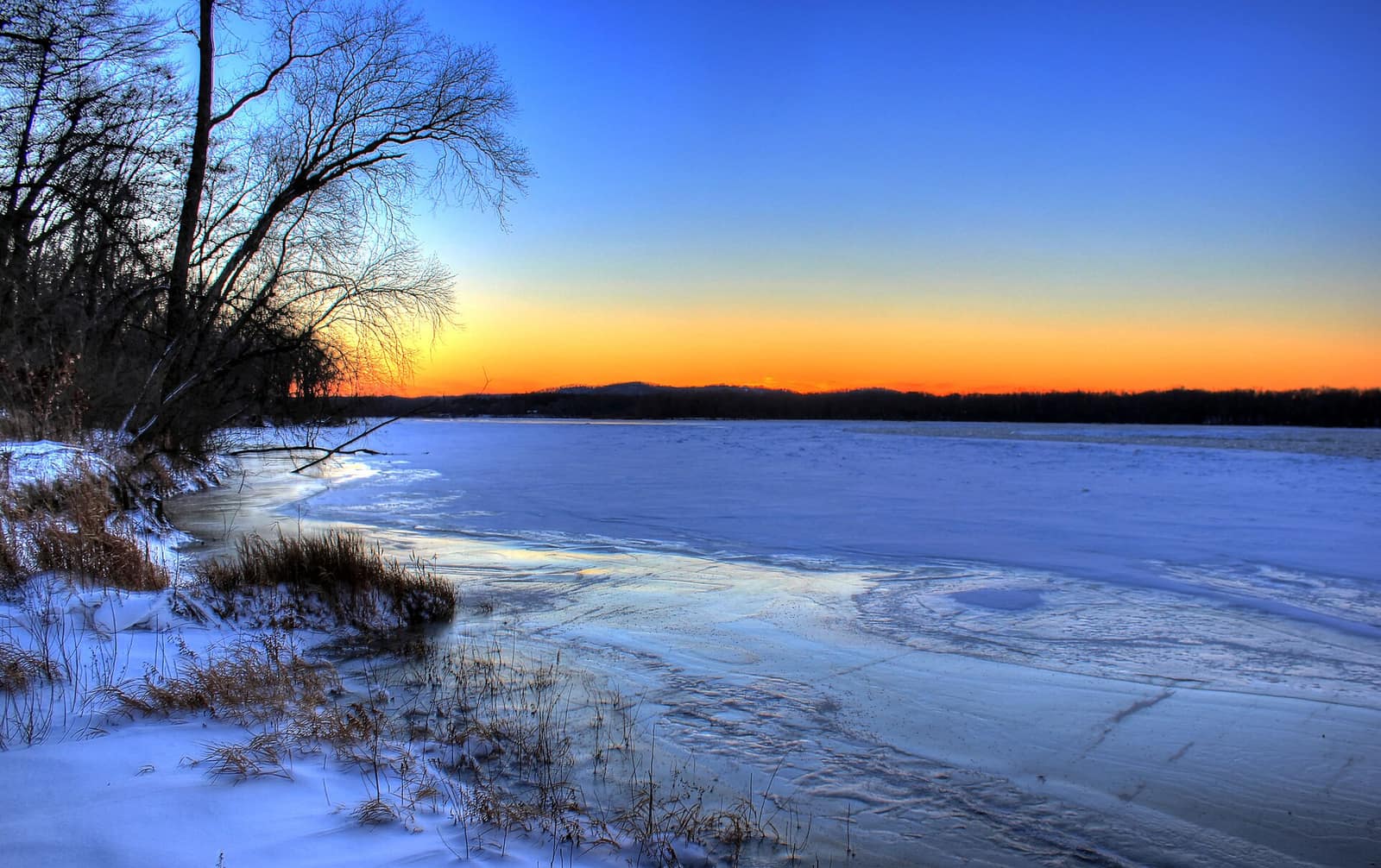
Winter camping exists at a handful of parks but is for experienced cold-weather campers only. Northwoods temperatures routinely drop below 0°F, and most state park facilities close for the season. Snowshoeing and ice fishing are the draws for winter visitors in the north, not tent camping.
What to Know Before You Book
Vehicle sticker: Every Wisconsin state park requires a vehicle admission sticker from the Wisconsin DNR. The annual sticker runs approximately $28 for Wisconsin residents and $38 for non-residents (estimate; confirm current rates on the DNR site). A daily sticker is available for single visits. The annual pass covers every state park and state forest in the system, so if you’re hitting two or three parks in a week, the annual version makes financial sense.
Reservations: State park camping reservations open 11 months in advance through reservations.wisconsin.gov. The most-wanted sites, particularly lakefront and walk-in sites at Devil’s Lake, and any site at Peninsula on a July or August weekend, go within hours of the reservation window opening. Set a calendar reminder. Electric sites are slightly less contested but still require planning.
County and national forest camping: Reservations at national forest campgrounds in the Chequamegon-Nicolet go through recreation.gov. County forest campgrounds vary by county; some are first-come, first-served and some take reservations through county-specific websites.
Bear awareness in the north: The northern counties have an active black bear population. Standard practice at Copper Falls, the Northwoods, and anywhere near the Chequamegon is to use bear boxes or hang food 10 feet up and 4 feet from the nearest trunk. This applies even at developed campgrounds with vault toilets.