Why Visit the Northwoods
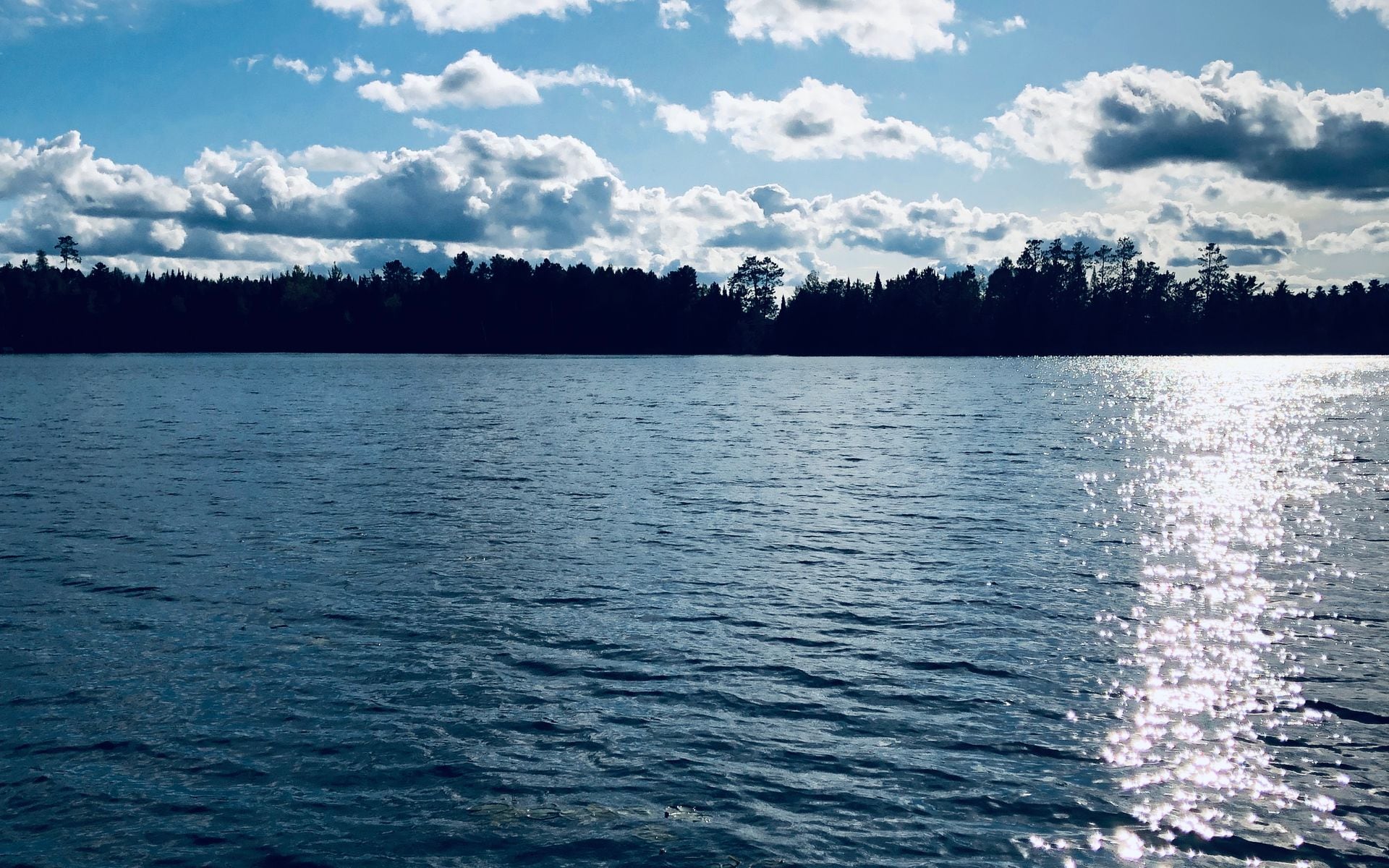
The Northwoods pulls people back because it does not really change. Vilas County alone claims more than 1,300 named lakes, giving it more named lakes than any other county in the United States. Most of those lakes still look the way they did when the fishing camps and family resorts first opened here in the early 1900s. The appeal is simple: rent a cabin, put a boat in the water, and stop checking your phone. Towns like Minocqua, Eagle River, and Hayward each have enough restaurants, bait shops, and ice cream stands to keep you comfortable without competing with the forest for your attention.
The Chequamegon-Nicolet National Forest adds approximately 1.5 million acres of public land to the region, with hundreds of miles of hiking and mountain biking trails, ATV and snowmobile corridors, and lakes accessible without a fee. If you want a reason beyond quiet water and tall pines, Hayward makes a serious claim as the muskie capital of Wisconsin, backed up by the Freshwater Fishing Hall of Fame on US-63 and a 143-foot-long fiberglass muskie you can walk through. The Wisconsin Travel Guide covers the full state, but the Northwoods is the part that cabin regulars from Illinois and Minnesota return to every summer without fail.
Top Places in the Northwoods
Minocqua sits on an island in Minocqua Lake along US Highway 51 and serves as the practical center of the region. The downtown strip has brewpubs, outfitters, bait shops, and a handful of supper clubs within easy walking distance. Minocqua also anchors the Northern Highland-American Legion State Forest, which covers 232,000 acres of public land and gives you access to hundreds of lakes and flatwater paddling routes on the Manitowish and Trout rivers without a permit.
Eagle River, about 30 miles east on State Highway 70, is best known as the base for the Eagle Chain of Lakes, ten interconnected bodies of water covering roughly 2,600 acres of exceptional walleye and bass habitat. In January, Eagle River hosts the World Championship Snowmobile Derby, drawing thousands of racers and spectators to a sanctioned oval on Eagle Lake, one of the longest-running snowmobile racing events in the world. Boulder Junction, smaller and quieter, bills itself as the Muskie Capital of Wisconsin and sits near Trout Lake and a cluster of clear-water lakes with almost no lakeshore development. If quiet is what you are after, Boulder Junction delivers.
Hayward, to the west in Sawyer County, is the jump-off for the Namekagon River, a National Wild and Scenic River that runs through forested, largely undeveloped country between Cable and Trego. Hayward also anchors the American Birkebeiner, a 55-kilometer cross-country ski race from Cable to Hayward held each February that draws thousands of participants and is considered the largest Nordic ski race in North America.
Top Things to Do
Fishing defines the Northwoods season more than any other activity. The Wisconsin inland walleye opener, which falls on the first Saturday of May, gets treated like a holiday in Vilas and Oneida counties, with anglers launching at midnight on chains like the Eagle Chain, the Willow Flowage near Mercer, and the Trout-Manitowish Chain north of Boulder Junction. Muskellunge are the signature fish. The world-record muskie, weighing 67 pounds 8 ounces, was pulled from the Chippewa Flowage near Hayward in 1949 and has never been beaten. Guided fishing trips on the Northwoods chains and flowages run roughly $300 to $500 per day (estimate) depending on the guide and the season. The Wisconsin boating and fishing guide covers what species to target by month and how to find a licensed guide.
Beyond fishing, the region has more than 500 miles of marked ATV and UTV trails and a connected snowmobile trail network that links Minocqua, Eagle River, and Rhinelander. Winter snowmobile rentals through outfitters in Minocqua and Eagle River run approximately $150 to $250 per day (estimate) including a trail pass. Summer paddlers take the Namekagon River for flat-water family floats or longer multi-day routes; canoe outfitters in Hayward and Cable handle shuttle logistics. For hikers, the North Country National Scenic Trail cuts through the Chequamegon-Nicolet with routes ranging from short day loops to overnight segments. Timm's Hill, at 1,952 feet the highest natural point in Wisconsin, sits near Ogema in Price County, about 45 minutes south of Minocqua on County Road C, and rewards the short climb with an open tower view over the treetops.
Where to Stay
Cabin rentals on the lake are the default Northwoods accommodation, and they range considerably. A basic two-bedroom cabin on a quieter lake runs roughly $150 to $350 per night (estimate). Larger lakefront properties with private boat docks and four or more bedrooms go for $400 to $800 or more per night (estimate) in July and August. Traditional fishing resorts, small clusters of individual cabins with boat rentals included, still operate throughout the region and often price by the week rather than the night. Book lake cabins well ahead for peak summer weeks in July and August and for the Birkebeiner weekend in February.
Motels and small hotels line the US-51 corridor through Woodruff and Minocqua for shorter visits. Chain options exist in Rhinelander and Wausau, both about 45 minutes south, if you want conventional lodging as a base. For a full comparison of accommodation styles and price tiers across the state, the Wisconsin region-by-region lodging guide breaks it down clearly.
Campground options inside the Northern Highland-American Legion State Forest include sites at Crystal Lake, Fallison Lake, and several smaller campgrounds on Trout Lake. Reservations through the Wisconsin DNR reservation system are advised for summer weekends.
Getting There and Around
The main route from Madison to Minocqua is US-51 north, a straightforward 3-hour drive with almost no congestion once you clear Wausau. From Milwaukee, allow about 3 hours 30 minutes via US-45 to US-51, or slightly longer on I-94 to US-51 depending on traffic through Fond du Lac. From Minneapolis-St. Paul, Hayward is roughly 2 hours 30 minutes east on US-63 and south through Spooner. Chicago to Minocqua runs around 4 hours 30 minutes on I-90 to US-51.
There is no commercial airport in the Northwoods proper. Central Wisconsin Regional Airport near Mosinee (CWA), about 1 hour 30 minutes south of Minocqua, has connecting flights through Milwaukee and Chicago. Austin Straubel International in Green Bay (GRB) is about 2 hours east of Eagle River. The Wisconsin airports guide covers all commercial options and typical connection routes. Most visitors drive. A car is essential once you arrive. The lakes and trail systems are scattered across a large, rural area, and there is no public transit. Boat rentals are available at most resorts and through outfitters in Minocqua, Eagle River, and Hayward for those who do not tow their own.
Best Time to Visit the Northwoods
The Northwoods has two clear peak seasons. Summer runs from late June through August, with warm days averaging in the mid-80s Fahrenheit, swimmable lakes, and the full range of resort and outfitter services running. The walleye and bass fishing is best in May and June, then muskie fishing picks up through August and September. Cabin supply is tightest in July, when families from Chicago and Milwaukee book weeks far in advance.
Fall arrives earlier in the Northwoods than in the rest of Wisconsin, with hardwood color typically peaking between late September and the first week of October, a week or two ahead of the southern part of the state. The Wisconsin fall color timing guide tracks peak windows by region if you want to plan around exact dates. The shoulder weeks of late September are genuinely quiet, the fishing is still good, and the bugs are gone. Winter is the serious outdoor season for snowmobilers and cross-country skiers. Ice fishing begins on most Northwoods lakes in January when there is adequate safe ice. The World Championship Snowmobile Derby in Eagle River draws the most visitors of any January weekend. The Birkebeiner in February fills Hayward for a long weekend.
Spring is the transition. The walleye opener in early May signals the new season, but some outfitters and cabin resorts do not fully open until Memorial Day weekend. If you can plan around it, the window from mid-September through early October offers the Northwoods at its most atmospheric, with foliage, empty roads, and water still warm enough to kayak. For supper club dining, a genuine Northwoods tradition at lakeside spots on Friday nights, the Best Supper Clubs in Wisconsin page covers the regional dining culture well.
Frequently asked questions
What towns are in the Wisconsin Northwoods?
The main towns are Minocqua, Eagle River, Boulder Junction, Hayward, Rhinelander, Land O'Lakes, and Lac du Flambeau. Minocqua and Eagle River are the most developed, with restaurants, shops, and outfitters concentrated on their main streets. Boulder Junction and Land O'Lakes are smaller and considerably quieter. Rhinelander functions as a larger supply hub on the eastern edge of the region, about 45 minutes southeast of Eagle River on US-8. All of these towns are within a 30-to-60-minute drive of each other along US-51 and State Highway 70.
Is the Wisconsin Northwoods worth visiting in winter?
Yes, particularly if you snowmobile, cross-country ski, or ice fish. Eagle River's World Championship Snowmobile Derby runs in late January and brings several thousand racers and spectators to a sanctioned oval on Eagle Lake. The American Birkebeiner in February draws elite Nordic skiers and recreational participants from across North America to the Cable-to-Hayward course. Ice fishing on Vilas County's lakes runs January through early March when ice conditions allow. Plan for temperatures that regularly drop below zero Fahrenheit overnight, and check ice thickness with local bait shops before you drive or walk on any lake.
How many lakes are in the Wisconsin Northwoods?
Vilas County alone has more than 1,300 named lakes and hundreds of smaller unnamed ones, giving it more named lakes per county than anywhere else in the United States. Neighboring Oneida County adds several hundred more. Together, the Northwoods core in north-central Wisconsin contains more than 4,000 lakes, flowages, and ponds across a roughly 100-mile-wide stretch of forest. The largest single body of water in the region is the Chippewa Flowage in Sawyer County near Hayward, covering about 15,000 acres and holding the world-record muskellunge catch from 1949.