Wisconsin makes roughly 3 billion pounds of cheese per year, about a quarter of all American output. The creameries, cellars, and shops worth stopping at range from a roadside castle on I-94 to a century-old farmstead in Dodge County, and they are spread across enough of the state that you can build a real cheese-focused road trip without repeating your route.
Go Before Noon for Fresh Curds
Fresh cheese curds squeak against your teeth because of long, intact protein strands that have not had time to break down. That squeak disappears within a few hours of production, so the window for the real thing is tight. Most Wisconsin creameries make curds daily, and the difference between a morning curd and an afternoon curd is significant enough that cheesemakers themselves tell visitors to come early. Henning’s Wisconsin Cheese in Kiel, Calumet County, is one of the most reliable spots in the state for same-day curds, made on-site and sold warm at the retail counter for an estimated $5 to $8 per pound. From Milwaukee, Kiel runs about 60 miles north on US-141, close enough for a morning side trip before continuing north toward Door County. Mars Cheese Castle, which sits just off I-94 at exit 344 in Kenosha, is the other obvious first stop for anyone driving in from Chicago, with fresh curds stocked daily alongside a retail floor covering several hundred Wisconsin varieties. Prices there run from roughly $5 to $8 per pound for curds and everyday cheddars to $20 or more for aged specialty wheels, all estimates. The parking lot on a summer Friday afternoon tells you exactly how well that I-94 location works for travelers.
One insider note: curds made on weekday mornings are less trafficked than weekend batches, which often sell out by midday. If squeaky curds are your goal and you have any flexibility in your schedule, aim for a Tuesday or Wednesday before 11 a.m.
Two Loops That Cover the Best Cheese Country
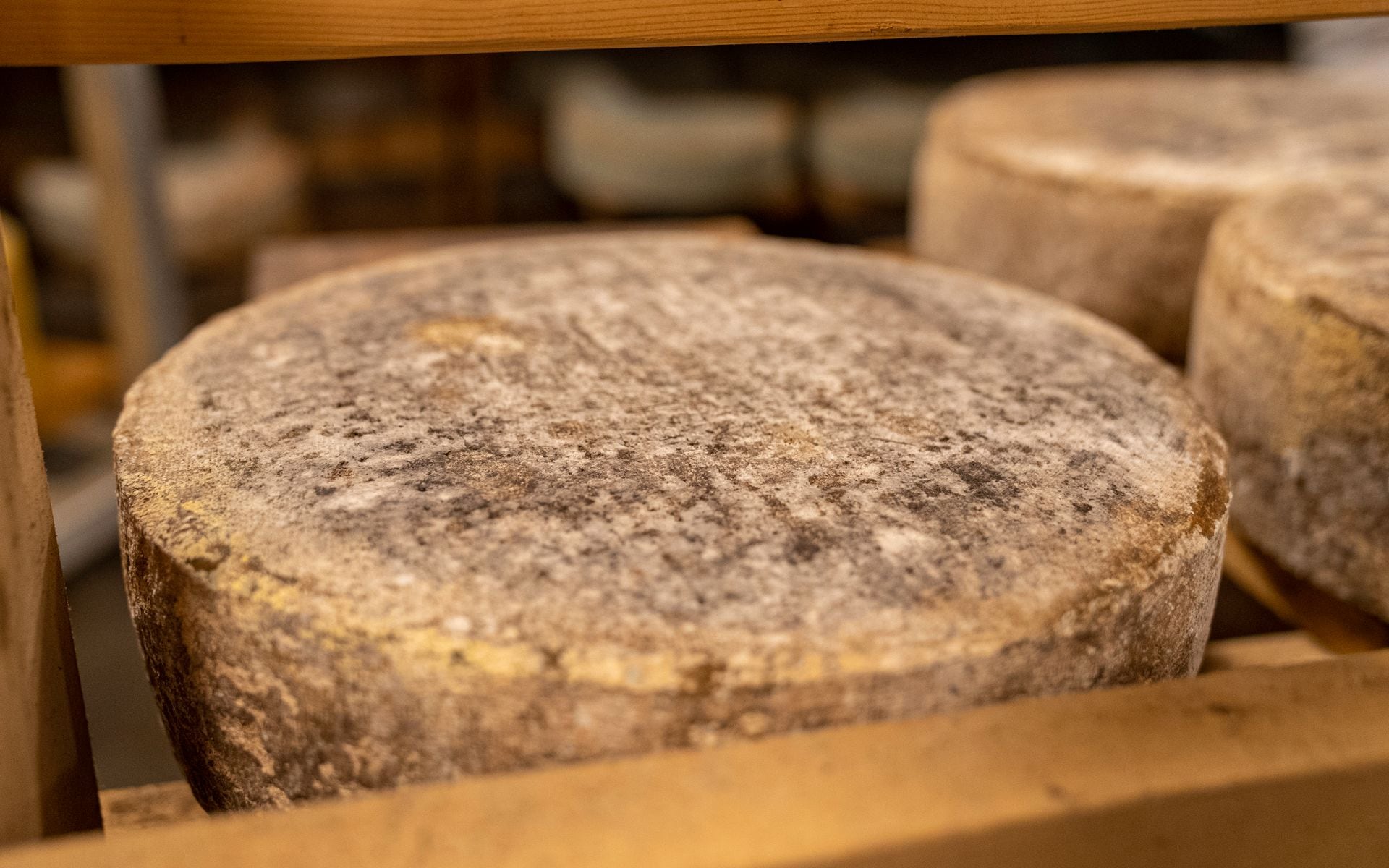
Wisconsin’s most concentrated cheese-making regions break into two logical road trip circuits, both within easy reach of the state’s two main airport gateways. If you fly into Milwaukee Mitchell International (MKE), the southeastern loop covers Kenosha, Plymouth, Theresa, and Kiel in a day’s drive totaling about 150 to 180 miles. Starting at Mars Cheese Castle in Kenosha on I-94, head north to Plymouth in Sheboygan County, where Sartori Cheese’s BellaVitano (a firm, slightly crystalline cow’s milk wheel available plain, Merlot-soaked, espresso-rubbed, or balsamic-finished) is carried at area retailers and the Saturday farmers’ market. Fifteen miles northwest of Plymouth, Widmer’s Cheese Cellars in Theresa has been pressing traditional Wisconsin brick cheese the same way since 1922: wooden board aging in the cellar beneath the retail counter, with mild and aged versions running $5 to $9 per pound (estimate). Brick cheese is a style invented in Wisconsin in 1877, and Widmer’s is one of the few remaining operations still making it the traditional way. Close the loop at Henning’s in Kiel before heading back south to Milwaukee, and you have covered four distinctly different Wisconsin cheese traditions in a single day.
From Dane County Regional Airport (MSN) in Madison, the southwestern loop goes deeper into the Driftless Area. Hook’s Cheese Company in Mineral Point is 50 miles southwest of Madison, about 50 minutes on US-151 and then WI-23. Tony and Julie Hook have been making cheese here since 1976, and their aged cheddars (5-year, 10-year, and 12-year) are the reason people add a Mineral Point detour to a trip otherwise planned around Madison. The 12-year cheddar, when it is available, runs an estimated $30 to $45 per pound and sells in allocated quantities rather than by the full wheel. Carr Valley Cheese, about 70 miles northwest of Madison near LaValle in Sauk County, adds a completely different range: mixed-milk wheels blending sheep, goat, and cow, cave-aged styles, and the Smoked Applewood variety that does not fit neatly into any traditional Wisconsin category. The route from Madison to Mineral Point to Carr Valley and back runs about 140 to 160 miles and works well as a full-day trip. You can add a leg of the Great River Road into this loop if you want to extend it into a two-day overnight in the coulee country.
Wisconsin Cheese Styles Worth Knowing Before You Shop
Knowing a few categories before you arrive makes the choices less overwhelming. Colby was invented in Colby, Wisconsin, in 1885 and is softer and more moist than cheddar, with a milder, slightly buttery flavor. It is common at grocery stores but harder to find in a true artisan version, which is why buying it at a working creamery is worth the extra effort. Brick cheese, another Wisconsin original from 1877, ranges from meltable and mild at two to three months to sharp and pungent at six to twelve months of aging. Aged cheddar covers the widest range of any Wisconsin style: from a one-year block with some bite to a 12-year specimen that crumbles like dry Parmesan and develops crunchy tyrosine crystals throughout the paste.
Uplands Cheese near Dodgeville in Iowa County produces Pleasant Ridge Reserve, an alpine-style washed-rind wheel made only during the warm months when cows are eating fresh pasture, roughly May through October. The wheels age from six months to over a year before reaching shops, and in strong production years the cheese wins top honors at both the American Cheese Society competition and international dairy competitions. Uplands does not run a walk-in retail shop, but Pleasant Ridge Reserve reaches specialty grocers in Madison and Milwaukee regularly enough that you do not need to drive out to the farm to taste it. If your trip is timed right, the Dodgeville area fits into a Driftless loop that also takes in the best Wisconsin state parks in the Baraboo Hills and Governor Dodge areas a short drive away.
In Milwaukee, Clock Shadow Creamery in the Walker’s Point neighborhood is the city’s only urban creamery, making fresh quark, fromage blanc, feta, and curds in small batches on-site. The quark connects directly to the Central European food traditions that Milwaukee’s German and Eastern European immigrant communities brought here in the 19th century: tangy, smooth, and spreadable. Tours run on select Fridays and walk you through the whole production process from a space compact enough that you can see every step from ten feet away.
When to Go and How to Bring It Home
Wisconsin cheese production runs year-round, but a few timing details sharpen the trip. Pleasant Ridge Reserve from Uplands Cheese is produced May through October and then aged, meaning the finest wheels tend to reach shop shelves in late fall and winter. If that cheese is a priority, a December or January trip to Madison specialty grocers gives you better access than a midsummer visit to the Dodgeville area. Fresh curds, on the other hand, are best tasted at the creamery on the day of production. For that experience, a weekday morning visit to Henning’s or Widmer’s is more reliable than a weekend afternoon. For the full picture of what each Wisconsin season offers beyond cheese, the best time to visit Wisconsin page breaks down what opens when across the state.
Fall makes for a natural pairing with a cheese trip. Mid-September through mid-October is the best window for color in the southwestern counties, the apple orchards north of Madison and up toward Bayfield are in harvest, and the towns along the US-151 corridor toward Mineral Point are quieter than in midsummer. A cheese loop through Hook’s in Mineral Point and Carr Valley in LaValle sits in the middle of some of the best autumn scenery in the state. If you want a broader framework for the trip, the full Wisconsin travel guide covers timing and routing for every region.
One detail that surprises many visitors: Wisconsin cheese is available to ship from most of the creameries listed here if you find something you cannot carry home. Aged hard cheeses like Hook’s cheddar and Carr Valley’s cave-aged wheels travel reasonably well in a cooler in a checked bag on a short flight, though anything over a couple of days in transit warrants shipping with a proper ice pack instead. Most retail counters at working creameries will pack your purchase for the drive if you ask. For a deeper look at each of these stops, including confirmed price ranges and specific buying tips, the Wisconsin cheese shops and creameries guide covers them all.
Frequently asked questions
How long does a Wisconsin cheese road trip take?
Either of the two main circuits (the Milwaukee-area loop through Kenosha, Plymouth, Theresa, and Kiel, or the Madison-area loop through Mineral Point and LaValle) takes a comfortable full day if you spend 45 to 60 minutes at each stop. A weekend allows you to combine both circuits and add a Milwaukee or Madison overnight. Driving distances run 140 to 180 miles per loop, which is manageable with early starts.
Can you take Wisconsin cheese curds on a plane?
Fresh curds are best within hours of production and do not ship or travel well for their signature texture. The squeak is gone within a day. TSA allows cheese in both carry-on and checked bags, so aged hard cheeses like Hook’s cheddar or Henning’s 10-year block pack reasonably well in a cooler in checked luggage for a short flight. For fresh curds, the only real option is eating them the same day you buy them at the creamery.
What is Wisconsin brick cheese?
Brick cheese is a Wisconsin original invented in 1877. The name comes from both the rectangular brick-shaped mold used to press the curd and from the actual bricks that were historically stacked on top to press out the whey. Mild brick (two to three months of aging) is semi-soft, buttery, and mild. Aged brick (six to twelve months) is firmer and more pungent, with a washed-rind character. Widmer’s Cheese Cellars in Theresa, Dodge County, is one of the few remaining producers still making it the traditional way, aging wheels on wooden boards in the basement cellar below the retail shop.
What is the difference between Wisconsin colby and cheddar?
Colby was invented in Colby, Wisconsin, in 1885 as a softer, more moist alternative to cheddar. It is made with a washed-curd process that rinses out acidity and gives the finished cheese a milder, slightly sweet flavor. It is eaten young and does not age well compared to cheddar. Wisconsin cheddar can range from a mild three-month block to a crystalline 12-year reserve wheel with a completely different texture and depth. Both are Wisconsin inventions, but aged cheddar offers far more range for a tasting-focused trip.