A Wisconsin supper club is a specific kind of restaurant with its own unhurried ritual: drinks and dinner-ordering at the bar, a relish tray that arrives without you asking, a salad bar included in the meal, and a grasshopper to close the night. It is not a nightclub and it is not a chain. It is one of Wisconsin’s most distinct dining traditions, and it runs from small county-road spots to lakeside destinations that pull diners from an hour away.
What a Supper Club Is
The term “supper club” in Wisconsin means something different from how most of the country uses the phrase. It is not a private membership dining room and it is not dinner theater. A Wisconsin supper club is a full-service restaurant, usually along a rural county road or state highway, built around a long, leisurely evening of food and drinks. The format took hold in the 1930s and 1940s, partly because Wisconsin’s liquor laws at the time required that taverns serve food, and partly because rural communities needed a destination for a proper Saturday night out. The format stuck, and today Wisconsin has more supper clubs per capita than any other state.
The physical setup is consistent across most supper clubs: a bar and lounge area where you wait, order your dinner, and have your first drink, followed by a dining room where the actual meal happens. The two-part structure is not accidental. The bar wait is built into the experience, sometimes running 30 to 45 minutes on a Friday night, and most regulars would not have it any other way. You read the menu from a laminated card, flag down the bartender, give your dinner order, and settle into the evening. If you walk straight to the dining room and ask to be seated immediately, you have missed the point.
The full picture of Wisconsin’s supper club scene is on the Supper Clubs and Fish Fry page, which covers both the tradition and the Friday night fish fry that runs alongside it. This post is the explainer: what to expect, what to order, and how the evening unfolds.
The Ritual, Start to Finish
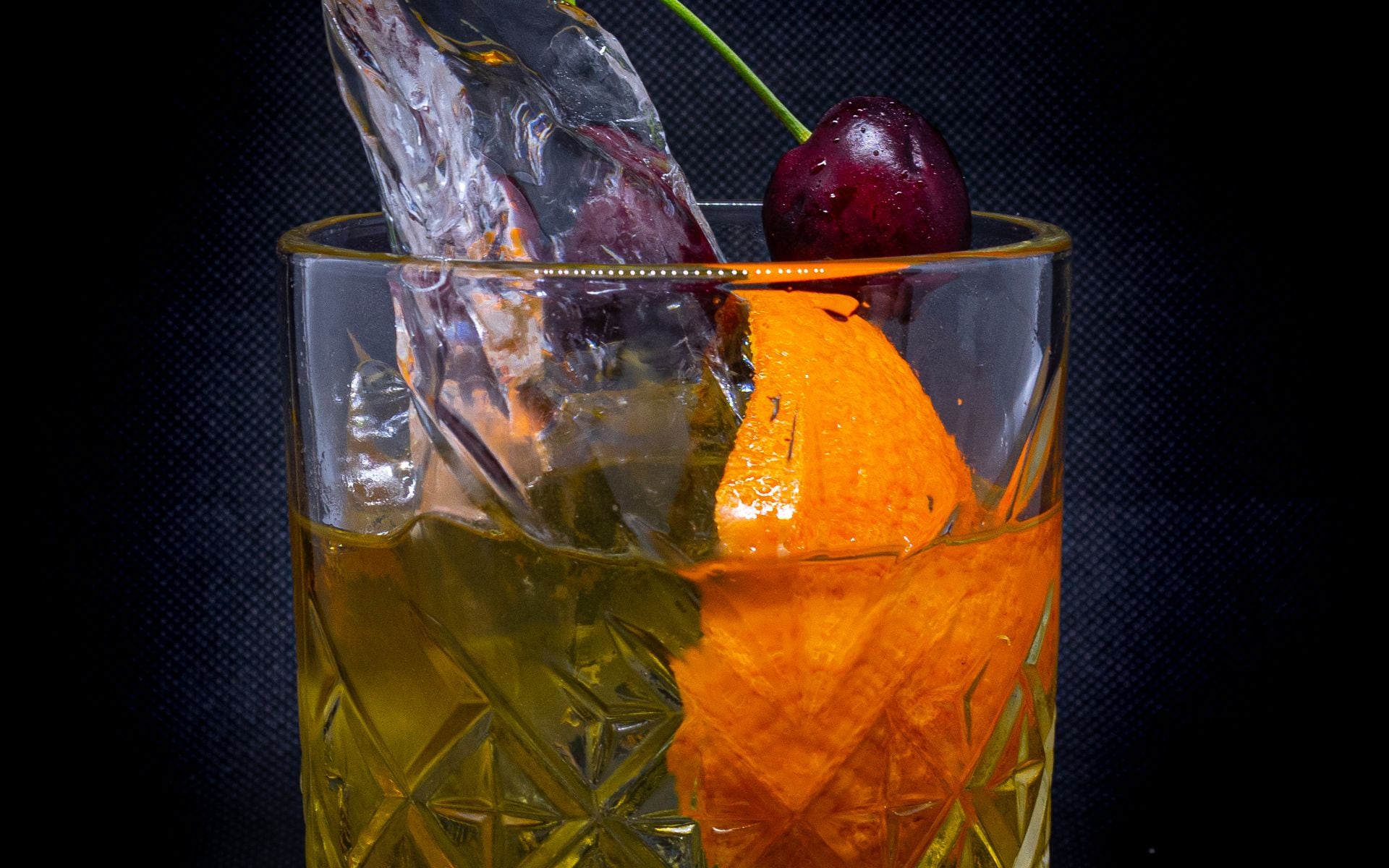
The evening begins at the bar. If there is a wait for a table, that is fine. Order a brandy old fashioned, the unofficial house drink of every supper club in the state. Wisconsin’s version uses brandy where most of the country uses bourbon or rye, and ordering whiskey in some old-school clubs will earn you a patient look from the bartender. The drink is brandy, a sugar cube or simple syrup, bitters, muddled with an orange slice and a cherry, topped with soda. You choose your finish: sweet (lemon-lime soda), sour (club soda), or press (half of each). Expect to pay an estimated $9 to $13 for a well-made one.
Once you are seated at a table, two things arrive without you ordering them: the relish tray and often a complimentary cheese spread. The relish tray is a staple, usually celery sticks, carrot sticks, radishes, and green olives, set in a sectioned dish. At many clubs, a crock of whipped butter or a block of cold cheddar with crackers comes alongside it. These are not appetizers you pay for. They are part of the meal before the meal, and eating them slowly over a second old fashioned is the correct approach.
The salad bar or salad course comes next and is included with the entree. Some clubs have a traditional walk-up bar. Others, like Black Otter Supper Club in Hortonville, assemble it for you, sending a server around who builds the salad in front of you based on your preferences, which is a practical and slightly more dignified version of the self-service bar. Either way, expect soup options, potato salad, and fresh greens, all included in the price of your entree. The main course follows. Then, if you are doing it right, a grasshopper arrives as the closer: crème de menthe, crème de cacao, and cream, blended into a mint-green dessert drink that has been ending supper club nights in Wisconsin since at least the 1950s.
The Menu: What to Eat at a Supper Club
Supper clubs built their reputations on steaks, prime rib, and whitefish, and those items still anchor most menus. Prime rib is the Saturday centerpiece at many clubs, offered in cuts that range from a modest 10-ounce slice to something like the 32-ounce queen cut at Black Otter Supper Club, which regularly draws diners from an hour away to Hortonville just for that cut served with a baked potato and access to the soup and salad bar. Entree prices at traditional supper clubs generally run in the estimated $28 to $55 range for steaks and prime rib, including the salad bar course.
Other reliable menu items include fried perch, walleye, bluegill, and “sea legs” (imitation crab in a mild cream sauce), which is a supper club staple that sounds odd and tastes better than it has any right to. The Old Fashioned in Madison, a restaurant on North Pinckney Street that opens onto Capitol Square, serves Wisconsin comfort food in the supper-club tradition, including cheese curds, Friday fish fry, and a menu of Wisconsin classics. It is a good entry point if you want the familiar supper club flavors without a long drive to a rural county road.
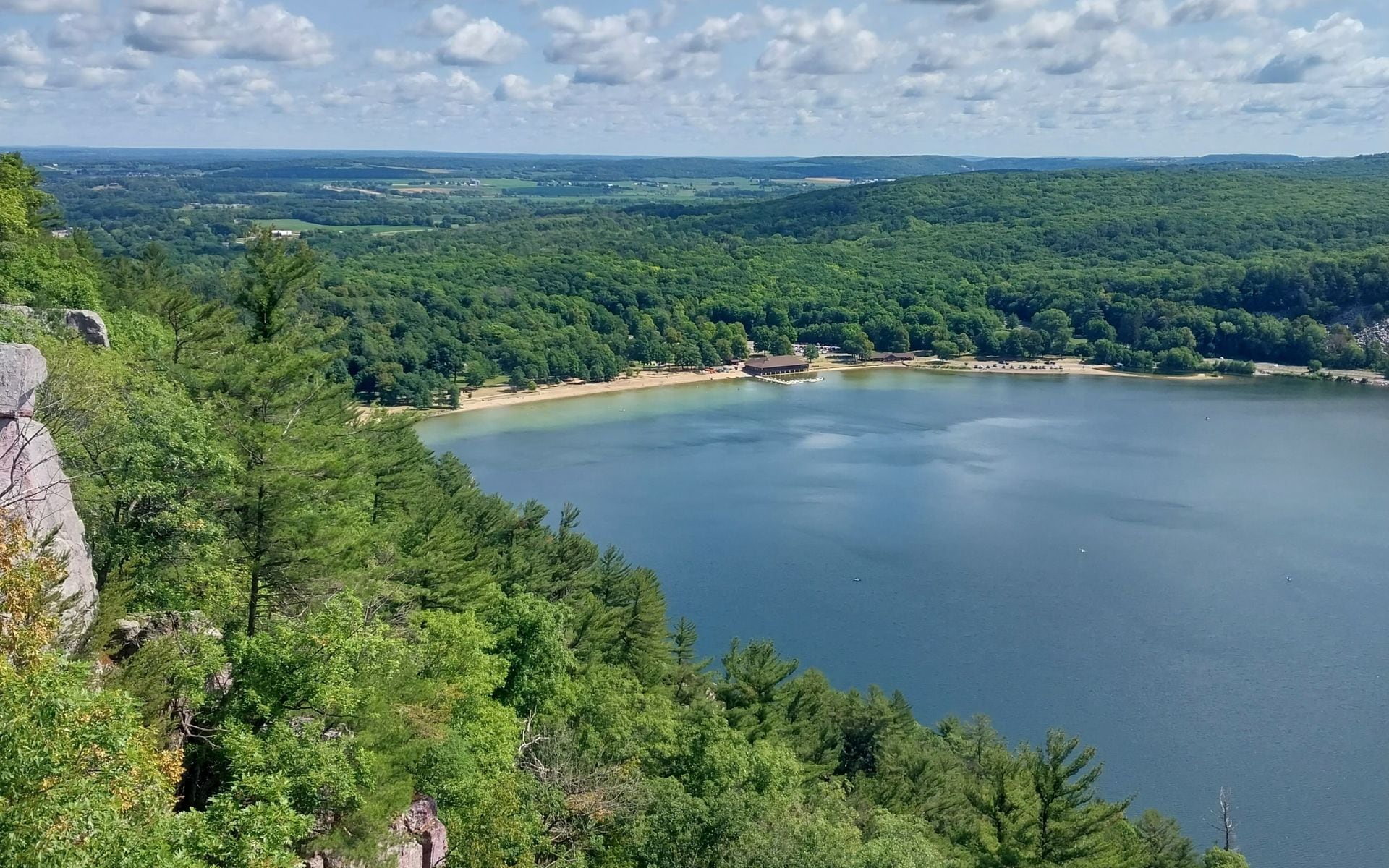
Ishnala Supper Club in Lake Delton, on the edge of Mirror Lake near the Wisconsin Dells, adds a lakeside setting to the tradition, with a log-cabin interior, long waits on summer weekends, and an Old Fashioned that regulars drive from across the state to drink. Entrees at Ishnala run on the higher end for the format, with the full meal experience in the estimated $50 to $75 per person range including drinks. The setting, with deck seating over the water and pine trees surrounding the building, is worth the drive even before the food arrives.
Dessert at most supper clubs means one of three things: grasshopper, schaum torte (a baked meringue shell with whipped cream and fresh fruit, especially strawberries), or plain slice of pie. Order the grasshopper at least once.
The Friday Night Fish Fry
The Friday fish fry is so embedded in Wisconsin culture that it operates almost independently of whether the restaurant that serves it is technically a “supper club” or a neighborhood tavern. But supper clubs have historically been the heart of the Friday fish fry tradition, and the two are inseparable in most Wisconsinites’ minds.
The Friday fish fry almost always comes as all-you-can-eat, fried rather than baked at most clubs, and includes coleslaw, rye bread, and a choice of potato: fries, a baked potato, or a potato pancake. The potato pancake is the Wisconsin choice and the correct one. Fish options typically include cod, perch, and sometimes walleye or bluegill. Prices for a Friday all-you-can-eat fish fry at a supper club run an estimated $18 to $28 per person. Friday nights in Wisconsin start filling up at supper clubs by 5:30 p.m., and the wait at a well-known club can hit an hour by 6:30.
The fish fry tradition has a Catholic roots explanation that most Wisconsinites know: meatless Fridays during Lent created a standing demand for fish dinners, and taverns and supper clubs met it so reliably that the practice became year-round. Door County has its own version of this tradition in the fish boil, which is a different dish entirely, and the Door County fish boil guide explains what separates the two and what makes the boil worth seeking out on the Door Peninsula.
Where to Find a Real Supper Club
Supper clubs are concentrated in rural Wisconsin, along the county roads and state highways that connect small towns, lakeshores, and farming communities. They are not primarily a city institution, though cities have their versions. The highest density runs through central and northern Wisconsin, the Fox Valley, and the lake country between Green Bay and the Michigan border.
The Fox & Hounds Restaurant and Tavern in Hubertus, northwest of Milwaukee on Friess Lake Road, is one of the most atmospheric in the southeast part of the state, with seven wood-burning fireplaces, a warren of dining rooms that work for both quiet dinners and larger groups, and the classic supper club buy-one-get-one dinner format that many clubs use to drive midweek traffic. It draws from the greater Milwaukee metro and books solid on weekend nights from late fall through spring, when the fireplaces are running.
Black Otter Supper Club in Hortonville, between Green Bay and Appleton, is the kind of place that operates on a first-come, first-served basis, takes no reservations, and fills the bar with people nursing old fashioneds and waiting for their table on a Saturday night. That is the supper club experience operating exactly as intended.
The Wisconsin Travel Guide covers the state’s regions and can help you map a supper club dinner into a broader Wisconsin trip, whether you are basing yourself in Door County, the Dells, or anywhere in between. For a curated list of top options statewide, see the Best Time to Visit Wisconsin page, which also covers when the supper club towns are most active and when shoulder-season travel delivers both value and access.
First-Timer Tips
Go on a Friday for the fish fry, or a Saturday for prime rib. These are the two peak nights and for good reason. Arrive by 5:15 p.m. if you want a reasonable wait. If you arrive at 7 p.m. on a Friday at a well-known supper club, you may be at the bar for a while, which is not necessarily a problem, but go in knowing it.
Order the brandy old fashioned, not a beer. You can have a beer with dinner, but the old fashioned is the club drink and ordering it tells the bartender you know where you are. Specify “sweet,” “sour,” or “press” when you order. If you are unsure, start with sweet.
Do not try to move quickly through the meal. The relish tray, the salad bar, the wait between courses, the second old fashioned during the salad, the grasshopper at the end, these are not inefficiencies. They are the format. Supper clubs do not turn tables the way a busy urban restaurant does. You are expected to be there for two hours minimum.
Dress code is not formal at most supper clubs, but it is also not shorts and a ball cap at the nicer ones. Business casual, or what Wisconsin people call “not a slob,” is appropriate. No one will turn you away for dressing down, but you will feel more at home in a collared shirt.
If you are visiting Wisconsin in winter, the supper club is a particularly good choice: the bar is warm, the menu is hearty, and the drive to a county-road club in the snow is exactly as atmospheric as it sounds. For other Wisconsin winter options, the Apostle Islands ice caves post covers the far north’s winter draw, which is a completely different kind of Wisconsin experience but equally specific to the state.
Frequently asked questions
What is a Wisconsin supper club?
A Wisconsin supper club is a type of full-service restaurant built around a slow, deliberate evening of food and drinks. The format dates to the 1930s and 1940s. You start in the bar lounge, order your dinner from there, have a brandy old fashioned while you wait, then move to the dining room where the meal includes a relish tray, a salad bar or salad course, and an entree, typically prime rib, steak, or fried fish. The grasshopper, a mint cream cocktail, is the traditional closer. Wisconsin has more supper clubs per capita than any other state.
What is the difference between a supper club and a regular restaurant?
The main difference is pace and format. A supper club is built for a two-hour evening, not a quick meal. You wait for your table in the bar, order dinner from the lounge, and the meal includes courses, a relish tray, and salad as part of the entree price. Most supper clubs do not rush the table. They also tend to be independently owned, located on rural county roads rather than in commercial strips, and tied to specific regional traditions like the Friday fish fry and Saturday prime rib night. A chain restaurant can serve similar food, but it is not a supper club.
What drink do you order at a Wisconsin supper club?
A brandy old fashioned is the standard supper club drink, and Wisconsin’s version is distinct: it uses brandy rather than the bourbon or rye that most of the country uses. The drink is built with brandy, a sugar cube or simple syrup, bitters, and a muddled orange and cherry, then finished with soda. You choose sweet (lemon-lime soda), sour (club soda), or press (half lemon-lime, half soda water). Wisconsin is one of the largest per-capita consumers of brandy in the United States, which is almost entirely explained by the supper club old fashioned tradition.
Is the Friday night fish fry the same as eating at a supper club?
Not exactly, but the two are closely linked. The Friday fish fry is a Wisconsin tradition that runs at supper clubs, neighborhood taverns, and church halls alike. At a supper club, the fish fry follows the standard supper club format: you wait at the bar, the meal includes a salad course, and you get all-you-can-eat fried cod, perch, or walleye with coleslaw, rye bread, and a choice of potato. The fish boil in Door County is a related but separate tradition, cooked outdoors in a large pot, which the door county fish boil guide covers in detail.
Do Wisconsin supper clubs take reservations?
Many traditional supper clubs operate first-come, first-served, with no reservations. Black Otter Supper Club in Hortonville is a well-known example: you arrive, put your name in, and wait at the bar. Busier destination clubs like Ishnala Supper Club near Lake Delton may have limited reservation windows on peak nights. Newer supper clubs and those in city markets tend to take reservations through the standard booking apps. Call ahead on a Friday or Saturday if you want to know the wait situation before you arrive.