The Door County fish boil is a working-fisherman’s meal turned into one of Wisconsin’s most iconic outdoor dining experiences, built around Lake Michigan whitefish, fire, and a dramatic finale that draws a crowd every time.
What Is a Door County Fish Boil?
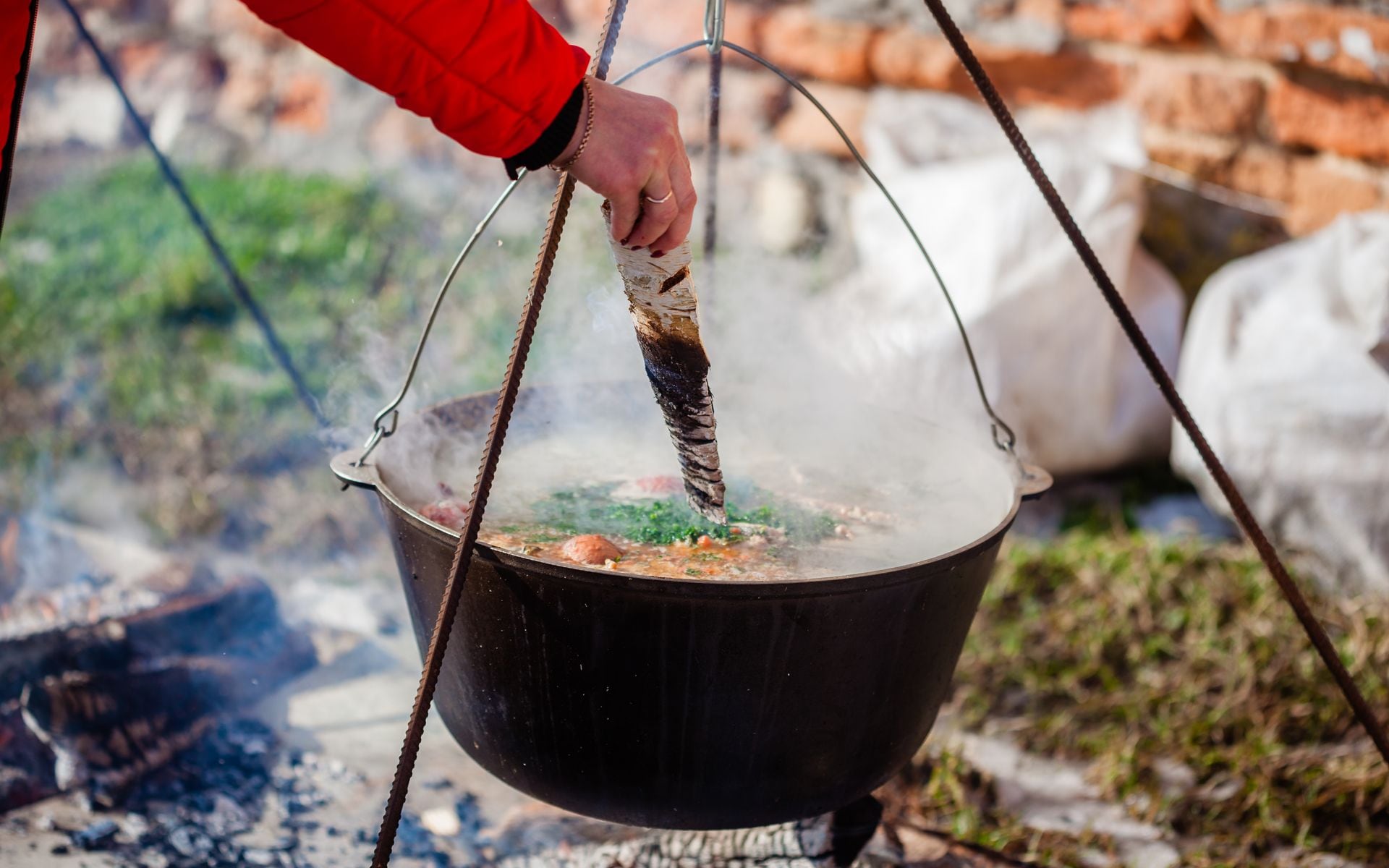
The fish boil is a meal with a specific origin on the Door County peninsula. Scandinavian immigrants, primarily from Norway and Sweden, settled the communities along the bay side in the mid-to-late 1800s and brought with them a simple way of feeding large groups of working fishermen: throw potatoes, onions, and whitefish from Lake Michigan into a kettle of heavily salted boiling water over an open fire, cook until done, serve with butter, bread, and cherry pie. That’s it. The fish boil wasn’t invented as a tourist attraction; it was practical food for a fishing community on a peninsula surrounded by water. Today it’s the meal most closely associated with Door County specifically, and the villages along Wisconsin Highway 42 on the bay side run fish boil dinners from late spring through fall, with a few spots holding them year-round.
What separates this from a New England-style clam bake or a Louisiana boil is the restraint of the ingredients and the drama of the finish. You don’t add corn or sausage or spice blends. The flavors come from the salt in the water, the fat of the whitefish, and the quality of what’s in the kettle. The fish used is Lake Michigan whitefish cut into bone-in steaks, not fillets. The potatoes are small waxy reds. The onions go in whole at the start. The result is clean, simple food that tastes like the lake it came from.
How the Boilover Works
The boilover is the part everyone gathers to watch, and if you’ve never seen one, the sequence goes like this. The master boiler tends a wood or propane fire under a large iron kettle throughout the cook. Potatoes go in first, then onions, then the whitefish steaks toward the end, since fish cooks faster than root vegetables. As the fish cooks, its oils and proteins rise to the surface and form a slick on the water. At just the right moment, the master boiler throws a cup or two of kerosene onto the fire. The flames shoot up dramatically around the base of the kettle, bringing the water to a violent boil that rolls up over the rim, spilling the oily water off the top and leaving clean, firm fish underneath.
This is not a gimmick. The boilover serves a purpose: it skims the oil and fish scum off the surface cleanly and quickly. Before the kerosene trick became the standard finish, boil masters would skim the pot by hand with ladles, which is slower and less thorough. The kerosene method has been the Door County norm since at least the mid-20th century. The fire flare-up lasts only a few seconds, but the crowd reaction is immediate. Arrive at least 15 to 20 minutes before the dinner start time and position yourself near the fire pit. The fish transfers from the kettle to the table fast, and the whole sequence from boilover to first plate takes about 10 minutes.
Where to See a Fish Boil in Door County
The best-known venue is the White Gull Inn in Fish Creek, a property that has been operating since 1896. The inn runs fish boil dinners regularly from spring through fall, typically on Wednesday, Friday, Saturday, and Sunday evenings starting around 5 or 6 p.m. The outdoor fire is set up on the inn’s grounds and the dining room is just steps away. Reservations are strongly encouraged; the White Gull fills up from mid-June through September, and weekend nights in July and August book out days or weeks in advance. Expect to pay roughly $28 to $38 per adult for the full meal (estimate, current rates vary).
Pelletier’s Restaurant, also in Fish Creek, is another long-running option with a more casual setup and similar pricing. Pelletier’s tends to draw families who want the experience without the inn’s inn-style atmosphere. Up the bay side in Ephraim, the Old Post Office Restaurant offers fish boils in a small-town setting that reflects how the tradition functions outside the tourist core. Farther north in Ellison Bay, the Viking Restaurant has been doing fish boils since the 1960s in what is one of the quieter villages on the peninsula. If you’re traveling with children, the outdoor fire and communal atmosphere make fish boils a strong choice; it’s an engaging experience for kids who don’t typically get excited about sitting down for a meal. Our guide to Wisconsin with kids covers other family-friendly stops across the state that pair well with a Door County trip.
Most venues seat dinner guests inside after the boilover, though some have outdoor seating on warm nights. The meal comes to the table as a whole: a plate of whitefish steaks, a bowl of potatoes, onions, rye bread, coleslaw, and melted butter for dipping. Cherry pie arrives at the end. The whole dinner typically runs 90 minutes to two hours.
What Comes with the Fish Boil
The traditional components are fixed: boiled red potatoes still in their skins, whole or halved boiled white onions, coleslaw (usually house-made, mayo-based), thick rye or white bread with plenty of butter, and a dish of melted butter for the fish and potatoes. The fish comes as bone-in whitefish steaks, not cleaned fillets, so you eat around the central spine as you would with any whole-cooked freshwater fish. The bones are easy to navigate, and the meat separates cleanly from the skin once it’s properly cooked.
Cherry pie is non-negotiable. Door County grows roughly 95 percent of Wisconsin’s commercial cherry crop, primarily the tart Montmorency variety in orchards that run along Highway 57 and County Road Q between Sturgeon Bay and the northern villages. The pies served at fish boil dinners are typically made with local cherries, either tart or sweetened, and served with a slice of vanilla ice cream or plain. If you’re visiting in mid-to-late July, the cherry harvest is at its peak and you can buy fresh cherries, jams, and pies from roadside stands operated by the orchards themselves. That context makes the cherry pie at the end of a fish boil feel less like a generic dessert and more like a genuinely local conclusion to the meal.
When Fish Boils Run
Most outdoor fish boils on the Door Peninsula run from mid-May through mid-October, with the full schedule in place from Memorial Day weekend through Labor Day. Peak season is July through August, when every dinner fills and some venues add extra seatings. June is the practical sweet spot: long evenings, fewer crowds, lodging rates not yet at their summer ceiling, and cherries still a few weeks away. The best time to visit Wisconsin breaks down the seasonal tradeoffs across the whole state, but for a fish boil specifically, any clear evening from June through September delivers the experience.
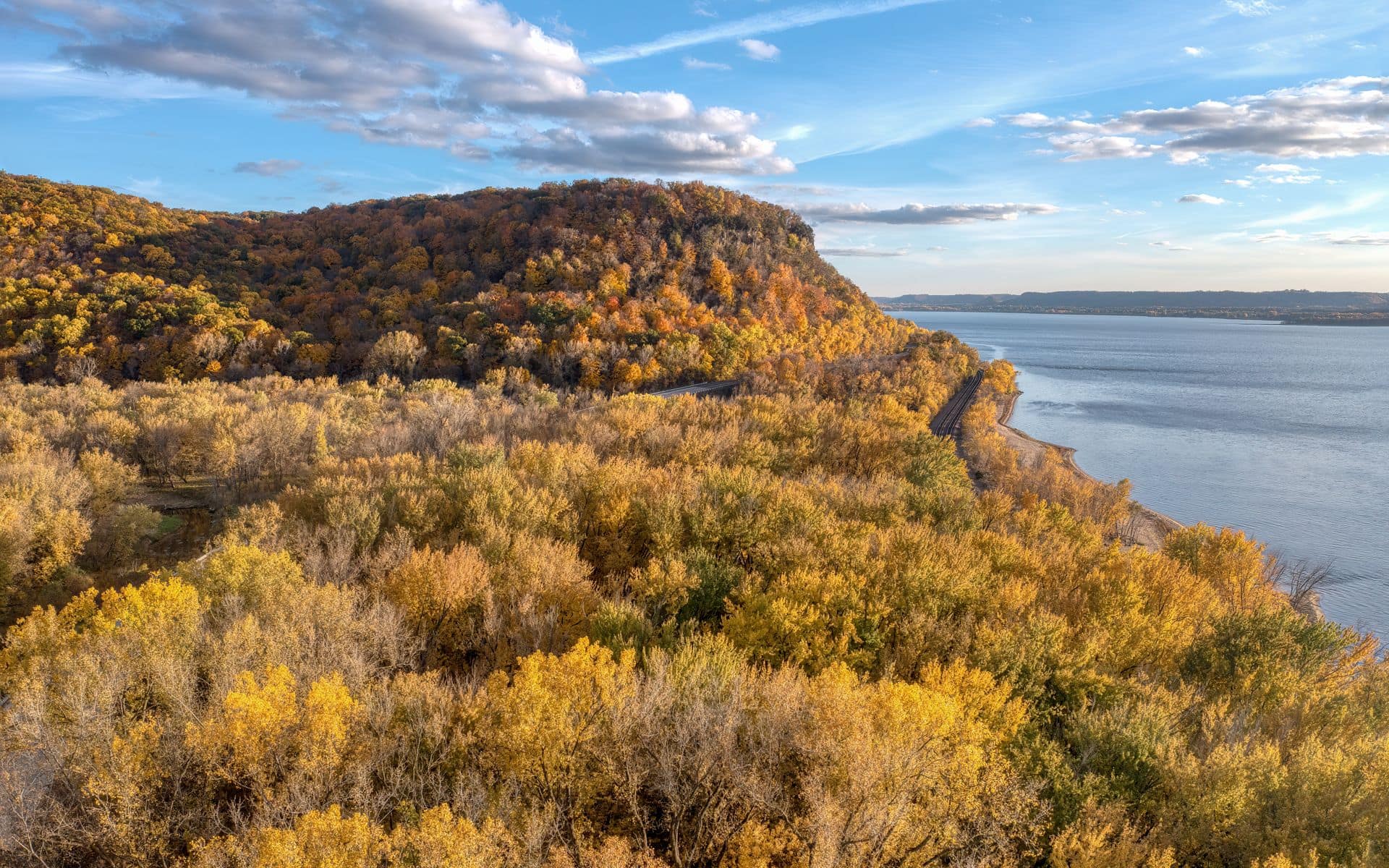
The White Gull Inn runs fish boils through fall and operates them even in the off-season on a reduced schedule. If you’re planning a fall color trip to Door County in late September or early October, call ahead; most venues reduce their fish boil nights to weekends only by mid-September. Some years the color peaks while fish boils are still running, which lines up well since October foliage on the bluff roads near Ephraim and Sister Bay comes in hard before the inland color in the rest of Wisconsin. In the dead of winter, fish boils are largely dormant, with the exception of a few spots that run occasional indoor versions. The kerosene boilover doesn’t work particularly well under a restaurant’s event tent in January, and most visitors coming to Door County in winter are there for the quiet rather than the fire.
Tips for First-Timers
Arrive early. The outdoor boilover is the reason to come, and if you walk in at the posted dinner time you may miss it. At most venues the fire is built and the cook starts 45 minutes before the dinner seating; the boilover itself happens 10 to 15 minutes before the scheduled meal time. Get there 20 to 30 minutes ahead of your reservation, find the fire pit, and watch the master boiler work. That’s the part no dining room can replicate.
Dress for being outdoors around an open fire. In July that means bug spray and a light layer for the evening. In September that means an actual jacket; Door County temperatures drop into the 50s Fahrenheit after dark, and you’ll be standing outside near a fire for 15 minutes before moving to your table. Comfortable shoes matter if the grounds are gravel or grass, which they typically are at outdoor boil setups.
If you’re planning a longer Wisconsin trip that combines Door County with other stops, check the notes on whether Wisconsin Dells is worth visiting for your travel style. The Dells sits roughly 2.5 hours southwest of Sturgeon Bay via US-151 and I-39, and a circuit that hits Door County, Green Bay, and the Dells is a solid four-to-five-day Wisconsin loop. The fish boil tradition on the Door Peninsula is specific to the northeast, though the broader culture of Friday fish frys and Wisconsin supper clubs extends across the whole state. Once you’ve sat through a fish boil boilover and eaten cherry pie at the White Gull Inn, you’ll understand why Door County keeps pulling people back every summer.
Frequently asked questions
How much does a Door County fish boil cost?
Plan on $25 to $40 per adult for the full fish boil dinner at most Door County venues (estimate). That covers the whitefish, potatoes, onions, bread, coleslaw, and cherry pie. Some venues include a drink with the meal; most do not. Children’s portions at places that offer them run roughly $12 to $18 (estimate). Tips are expected and typical given the table service involved.
What kind of fish is used in a Door County fish boil?
Lake Michigan whitefish, cut into thick bone-in steaks rather than fillets. The bone-in preparation is traditional and intentional: the bones help the fish hold together in the boiling water and the fat near the spine adds flavor. The whitefish is caught commercially from Lake Michigan, so the sourcing is genuinely local to the waters surrounding the Door Peninsula.
Do you need a reservation for a Door County fish boil?
Yes, for most venues during summer. The White Gull Inn fills its fish boil seatings days to weeks ahead in July and August and recommends reserving as soon as you know your dates. Pelletier’s and other Fish Creek spots fill more quickly on Friday and Saturday nights. If you’re visiting mid-week in June or early September, walk-ins are sometimes available, but it’s safer to call ahead regardless of the day.
Is a Door County fish boil a good experience for kids?
For most kids, yes. The outdoor fire, the master boiler’s narration of the cook, and the dramatic kerosene boilover give younger visitors something concrete to watch and talk about rather than just waiting for food at a table. The meal itself is simple and low in spice. Fish with bones does take some supervision for younger children, but the whitefish steaks are easy to navigate and the potatoes and bread are immediately approachable. A fish boil dinner typically lasts 90 minutes to two hours, which is a reasonable length for families with kids ages six and up.