Overview
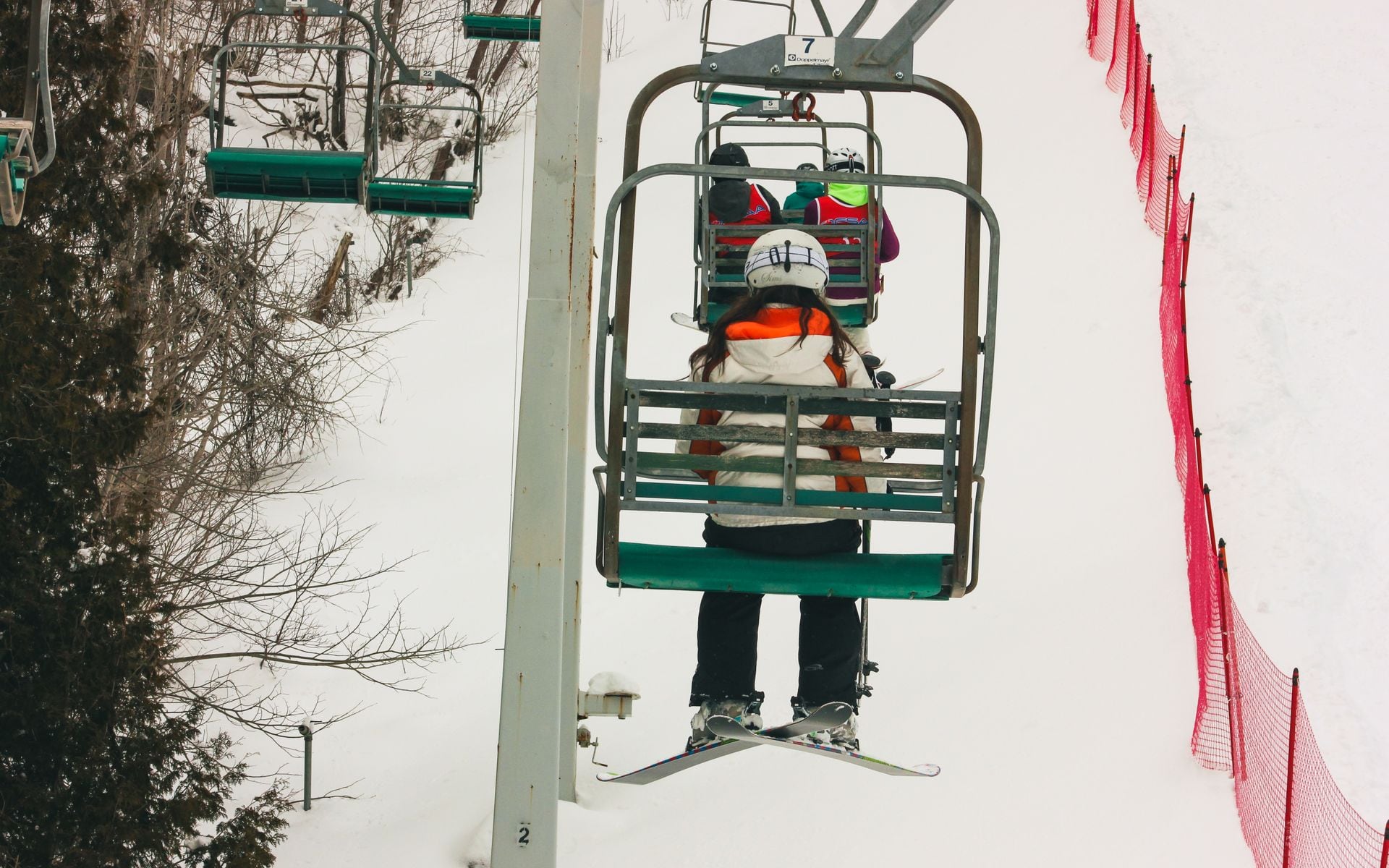
Wisconsin has roughly 15 downhill ski areas, most clustered in three zones: the southeast and south-central counties within 90 minutes of Milwaukee and Chicago, the central Wisconsin corridor near Wausau and the Dells, and the far north near Hurley and the Michigan border. The terrain is short and wide rather than tall and steep, but for a Midwest family that wants to ski on a Saturday morning and drive home by evening, that is exactly the point. Start your winter planning with the Wisconsin Travel Guide for a full picture of what the state offers across all four seasons.
Beyond downhill runs, Wisconsin has a substantial cross-country skiing scene, particularly in the Northwoods around Hayward and Cable, where the American Birkebeiner runs a 51-kilometer race course every February. Snowmobiling on thousands of groomed trail miles out of Eagle River and Minocqua adds another dimension to a Northwoods winter trip, and ice fishing on Lake Winnebago and the smaller Northwoods lakes rounds it all out. The cold months here offer more than most visitors expect when they picture Wisconsin.
What to Expect
Granite Peak near Wausau is the largest downhill ski area in Wisconsin, with more than 70 trails and 700 feet of vertical drop. Located about 90 miles north of Madison on US-51, Granite Peak typically opens in mid-November and runs through mid-March depending on conditions. Cascade Mountain near Portage, about 20 miles north of Madison off I-90/94, has 37 trails and draws consistent weekend crowds from the Dells corridor and the capital. Devil's Head in Merrimac, near the Baraboo bluffs and a short drive from Devil's Lake State Park, has more than 30 trails and 500 feet of vertical in a setting that pairs naturally with a winter blufftop hike.
In the southeast, Alpine Valley in Elkhorn (about 45 miles from Milwaukee) serves the Chicago and greater Milwaukee market and tends to fill up on weekend mornings. Near Lake Geneva, the Mountain Top at Grand Geneva Resort & Spa offers 20 runs directly on the resort property, which means you can ski in the morning, eat lunch at one of the resort restaurants, and check into your room without getting back in the car. Grand Geneva room rates estimate $200 to $450 per night depending on the season. In the far north, Whitecap Mountains near Hurley, close to the Upper Peninsula border, has 42 trails and picks up some of the heaviest natural snowfall in Wisconsin thanks to Lake Superior-effect snow, making it the most reliable option when southern hills are dealing with rain.
Cross-country skiing is widespread and does not require a ski resort. Nine Mile County Forest near Wausau grooms more than 35 miles of trails across varied terrain. Lapham Peak State Park in Delafield, about 30 miles west of Milwaukee, lights its Nordic trails for evening skiing several nights a week through the winter. The Levis/Trow Mounds area near Black River Falls grooms more than 20 miles of trails through hardwood ridges. After a day on skis, Best Supper Clubs in Wisconsin covers the Friday fish fry and brandy old fashioned tradition that caps a Wisconsin winter day about as well as anything can.
Best Season
January and February are the core months for Wisconsin winter sports. December is possible in the northern half of the state but unreliable in the south, where warm spells and rain can strip the snowpack mid-month. Snowfall is heaviest in Iron and Vilas counties in the far north, where Hurley regularly picks up 100 or more inches per season from Lake Superior-effect storms. The American Birkebeiner in Hayward runs the third Saturday of February and draws more than 10,000 skiers from across the country, making it one of the largest Nordic ski events in North America. Plan lodging and rental equipment four to six weeks out for Birkie weekend. The World Championship Snowmobile Derby in Eagle River runs the second full weekend of January. Both events sell out accommodation quickly, and the towns around them fill up days before the race.
The Apostle Islands ice caves on Lake Superior form only when the lake freezes solid enough to walk safely from the Meyers Beach trailhead near Cornucopia, which does not happen every year. When the caves do open, January and February are the window. Check the Apostle Islands National Lakeshore website directly. The park service posts daily ice condition updates, and you should confirm access before making the drive, which is about 5.5 hours from Milwaukee or 4.5 hours from Madison.
If you prefer Wisconsin before the snow arrives, fall color peaks across the northern counties in late September and early October, about eight weeks before the ski hills fire up their snowmaking equipment. The two seasons bookend each other if you are planning trips in consecutive years.
Typical Costs
Lift tickets at major hills like Granite Peak and Cascade Mountain estimate $55 to $85 per adult on weekends, with midweek rates dropping to around $40 to $65. Smaller family hills run $30 to $55 per day. Equipment rental (skis, boots, poles) estimates $30 to $45 per day at most Wisconsin areas. Snowboard rentals run $40 to $55 per day. Group ski lessons estimate $35 to $60 per person including equipment. Private instruction estimates $80 to $150 per hour depending on the hill. A Wisconsin State Trail Pass covers groomed cross-country trail systems at state recreation areas and costs about $5 per day or $25 for an annual pass.
Snowmobile rentals in the Northwoods estimate $150 to $300 per day for a sled through outfitters near Eagle River or Minocqua, with multi-day packages bringing the per-day cost down. Lodging near ski areas in central Wisconsin runs $100 to $180 per night at standard motels near Wausau. Ski-and-stay options like Grand Geneva Resort & Spa or Timber Ridge Lodge & Waterpark, both on the Grand Geneva property in Lake Geneva, estimate $200 to $450 per night and put slope access, dining, and a spa within walking distance. For indoor waterpark days when conditions at the hill go flat, Wilderness Resort in Wisconsin Dells runs year-round with winter rates estimating $180 to $350 per night, typically including waterpark access, a reasonable alternative for families with non-skiers in the group.
How to Book
Most Wisconsin ski hills sell lift tickets online at a modest discount over the window price, and many open multi-day and season passes in October. Book equipment through the hill's own rental shop rather than a third-party site. The gear is usually newer and the exchange process is simpler if something does not fit. Cross-country trail passes for groomed state recreation areas are available through the Wisconsin DNR website or at the trailhead for day use.
For snowmobile trips, contact outfitters in Eagle River or Minocqua directly and book four to six weeks out for January and February weekends, especially around Derby weekend in Eagle River. For lodging near ski areas, check availability at the bigger resorts by November for the peak January to February window. If you want a winter trip that mixes a ski day with something quieter, the Door County Weekend itinerary adapts well to the off-season: the peninsula has fewer crowds from November through April and a handful of year-round operators that stay open. Wisconsin festivals and fairs like the Birkebeiner and the Eagle River Derby give the season a clear focal point if you prefer building a trip around an event rather than just a hill.
Frequently asked questions
What is the biggest ski area in Wisconsin?
Granite Peak in Wausau is the largest downhill ski area in the state, with more than 70 trails and 700 feet of vertical drop. It is located about 90 miles north of Madison on US-51 and typically operates from mid-November through mid-March depending on snowfall and temperatures.
Is there reliable snow in Wisconsin for skiing?
The northern half of the state, particularly Iron and Vilas counties near Hurley and Eagle River, gets reliable natural snowfall from December through March, often exceeding 100 inches per season thanks to Lake Superior-effect storms. Southern Wisconsin hills rely more heavily on snowmaking and can have patchy conditions during warm stretches in December. January and February are the safest months to plan a ski trip anywhere in the state.
What is the American Birkebeiner?
The American Birkebeiner is a 51-kilometer Nordic ski race held on the third Saturday of February, running from Cable to Hayward in the Wisconsin Northwoods. It consistently draws more than 10,000 participants and is one of the largest cross-country ski races in North America. Shorter companion races, including the Kortelopet and the Barnebirkie for younger skiers, run on the same weekend, so skiers of all levels can participate. Lodging in Hayward and Cable books out months in advance for Birkie weekend.
Can I ski near Wisconsin Dells?
Yes. Cascade Mountain is about 20 miles north of Wisconsin Dells near Portage and has 37 trails across a good range of difficulty levels. For non-ski days, the Dells waterpark resorts run their indoor parks year-round, so a winter trip can combine a ski day at Cascade Mountain with waterpark time at Wilderness Resort or a similar property. That combination works especially well for families where some members ski and others do not.
When do the Apostle Islands ice caves open?
The Apostle Islands ice caves at Meyers Beach near Cornucopia form only when Lake Superior freezes solid enough to walk out safely from shore, which happens in some winters and not others. When the caves are accessible, it is typically in January or February. Check the Apostle Islands National Lakeshore website or follow the park's social media before planning the trip. The park service posts daily ice condition updates once conditions start approaching safe levels, and driving four or more hours without confirming is not worth the risk.