The Short Answer
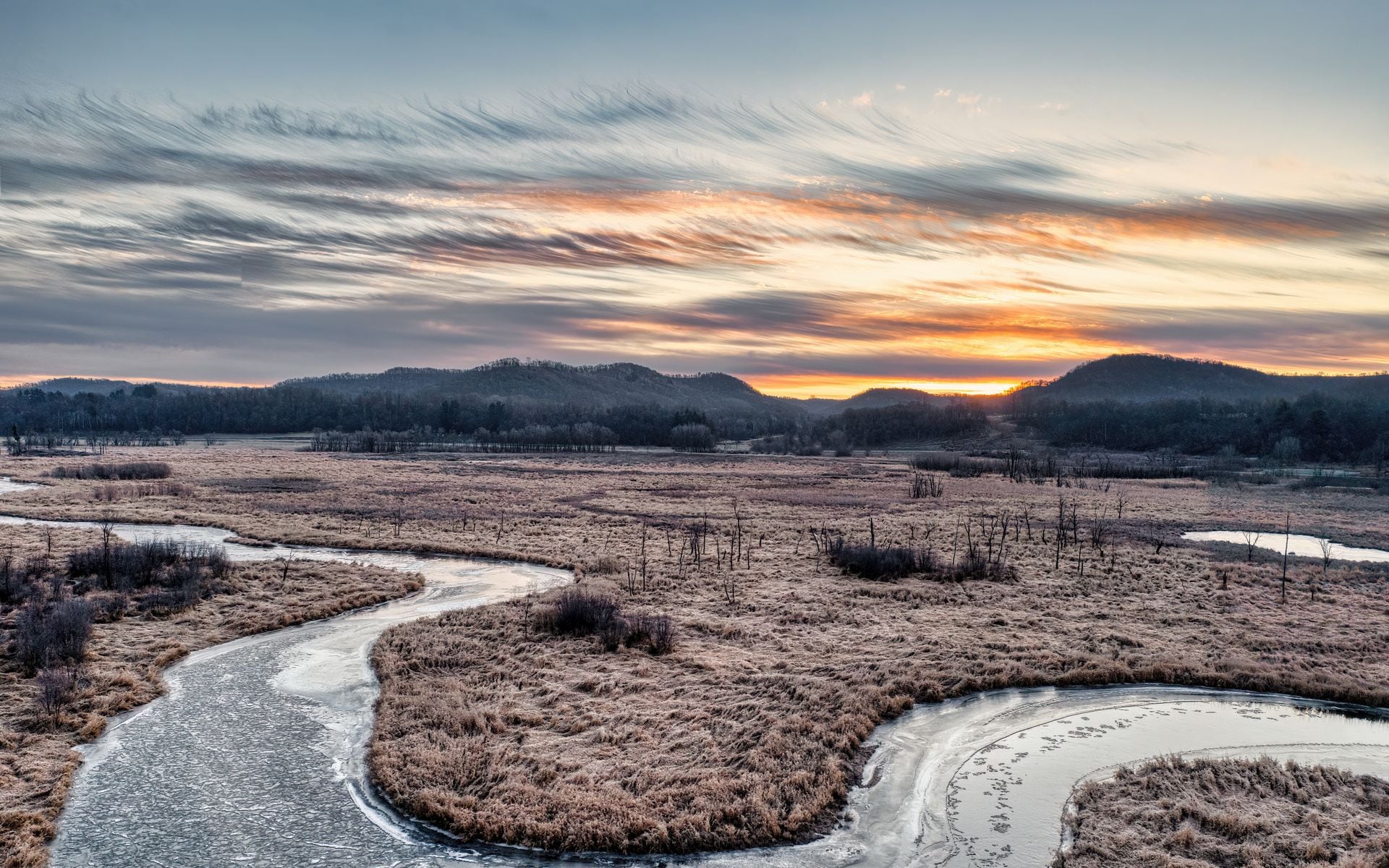
The Wisconsin Great River Road is a federally designated scenic byway following WI-35 (and connecting county roads) along the Wisconsin side of the Mississippi from Prescott, at the confluence of the St. Croix and Mississippi rivers, south to Cassville near the Iowa border. The full distance is roughly 250 miles and would take about 4.5 to 5 hours to drive nonstop, but no one does it that way. Plan on at least two days, and three if you want to stop at the parks, overlooks, and historic sites that make it worth the drive. The road passes through towns built on the river before rail arrived, clips the edge of the unglaciated Driftless Area, and climbs to bluff-top viewpoints above the wide, island-dotted upper Mississippi. For the full Wisconsin picture, start with the Wisconsin Travel Guide; for the western side of the state, WI-35 is the main event.
The Route, Town by Town
Prescott sits where the St. Croix meets the Mississippi, about 45 minutes from Minneapolis-St. Paul International Airport (MSP). It's a quiet entry point with a waterfront park and good highway access from the Twin Cities, which makes it the natural starting place if you're driving south from Minnesota. From Prescott, WI-35 runs south through Stockholm, a one-street village of art galleries and antique shops that takes about 20 minutes to walk end to end. Stockholm is a legitimate stop, not a tourist trap: the local jam and pie places are genuinely good. Next comes Pepin, a small harbor town on Lake Pepin, the widest natural section of the Mississippi. Laura Ingalls Wilder was born on a farm about 7 miles outside Pepin, and the free Little House Wayside on County Road CC is a short detour worth making if you have kids along.
Alma, about 30 miles south of Pepin, might be the single best stop on the entire route. Buena Vista Park sits high above the river on a bluff above town, reachable by car on a short gravel road off Summit Avenue. The view stretches across the floodplain islands into Minnesota, with Lock and Dam No. 4 and barge traffic visible below. It is the kind of panorama that makes you pull over and stay for a while. Continuing south, Trempealeau is a small river town (around 1,500 people) with two major assets: Perrot State Park, where Brady's Bluff trail climbs past effigy mounds to a 500-foot overlook, and the free public observation area at Lock and Dam No. 6. You can watch a commercial barge lock through in roughly 20 minutes, and there's no admission charge.
La Crosse is the largest city on the route, with a real downtown, a riverside park along the Mississippi, and Grandad Bluff accessible by car via Grandad Bluff Road. The overlook there is free, and on a clear day you can see roughly 25 miles up and down the river valley. South of La Crosse, the route passes through De Soto and continues to Prairie du Chien, one of Wisconsin's oldest cities and the site of Villa Louis, a Gilded Age mansion built on a Mississippi island with guided house tours running May through October (estimated $15 per adult). The southern end of the route at Cassville offers Stonefield Village, an outdoor museum of early Wisconsin rural life, and a seasonal car ferry to Iowa that runs May through October. Check the ferry schedule before building your itinerary around it.
What to Do Along the Way
Perrot State Park near Trempealeau charges the standard Wisconsin vehicle admission fee (estimated $8 to $13 per day, or covered by an annual state park sticker). The Brady's Bluff trail is the main draw and a genuine workout, gaining several hundred feet to a ridgeline with views of the Trempealeau River valley. The Great River State Trail, a 24-mile paved route that runs between La Crosse and Onalaska, is one of the flattest and easiest long bike rides in western Wisconsin, following an old rail corridor close to the river backwaters. Bike rentals in La Crosse are available through several outfitters near the trailhead.
In La Crosse itself, dining runs from Buzzard Billy's on Pearl Street, a casual Cajun-influenced spot with solid beer cheese soup and crawfish dishes in a building with some history, to North Country Steak Buffet on Rose Street, where a full steak dinner with sides costs an estimated $16 to $25 per person. If you're looking for a local craft beer before or after dinner, Bodega Brew Pub on 4th Street South is a few blocks from the riverfront with its own rotating tap list. For a place to stay with some character, the Charmant Hotel on State Street is a 61-room boutique property in a restored 1920s building. Rates run approximately $150 to $250 or more per night depending on season.
Eagle watching from late January through early March is one of the more Wisconsin-specific reasons to drive this road in winter. Bald eagles concentrate at open water below the locks and dams, particularly around Lock and Dam No. 6 near Trempealeau and the waterfront in La Crosse. Lock and Dam No. 8 near Genoa, a small town about 30 miles south of La Crosse, often has the highest eagle concentrations in the coldest weeks. The observation areas at the dams are free and accessible from WI-35. Bring binoculars; the eagles can be close but are not always cooperative.
Best Time to Drive It
Fall is when the Great River Road is most photogenic. The hardwood bluffs above the river fill with maples and oaks, and mid-October is typically peak color for this part of western Wisconsin. The stretch between Alma and Trempealeau is particularly good, with the bluff color reflected in the Mississippi backwaters. For a detailed breakdown of when fall color peaks across the state, the When to See Wisconsin Fall Color page is the right reference. Fall weekends in La Crosse fill quickly, especially the second and third weekends of October, so book lodging ahead.
Spring is the other strong season: late January through early March for eagle watching, and late March into April for the opening of trout season on the Driftless Area streams just east of the river. Summer gives you full access to Perrot State Park, Villa Louis tours, and the Cassville Ferry, and the river traffic on the Mississippi is interesting on its own, but lodging prices peak in July and August and WI-35 through La Crosse gets real traffic on summer weekends. Winter is quiet and inexpensive outside of the eagle-watching draw, but check road conditions before heading north of La Crosse. Ice on secondary roads above the bluffs and occasional rock slides on the bluff cuts along WI-35 can close sections with little warning. The Best Time to Visit Wisconsin page covers seasonal timing across all the state's regions.
Practical Tips
La Crosse Regional Airport (LSE) is right on the route and the most convenient arrival point for a Great River Road trip. It has connecting service through Chicago O'Hare and Minneapolis. If LSE doesn't have convenient flights from your city, Minneapolis-St. Paul (MSP) is about 2 hours north of La Crosse via US-61 and WI-35, and Madison (MSN) is about 2.5 hours east via I-90. Most people entering from Chicago use I-90 west to La Crosse and drive WI-35 from there. If you're combining the Great River Road with the rest of Wisconsin, note that Door County on the opposite side of the state is about a 5-hour drive from La Crosse. Most first-time visitors to Wisconsin pick one side of the state per trip and come back for the other.
Lodging outside La Crosse and Prairie du Chien is thin. La Crosse has a full range of chain hotels and motels (estimated $80 to $160 per night for a standard room) in addition to the Charmant. For smaller towns, Alma and Trempealeau each have a handful of rooms in inns and vacation rentals, but availability fills fast in fall. Fill up on gas in La Crosse or Prairie du Chien; several of the smaller river towns between those two cities have no gas station directly on WI-35. For a full cost breakdown covering gas, lodging, park fees, and food along a Wisconsin road trip, the Wisconsin Trip Cost and Budget page breaks it down by region and season.
Frequently asked questions
How long does it take to drive the full Wisconsin Great River Road?
The roughly 250-mile route from Prescott to Cassville takes about 4.5 to 5 hours to drive nonstop. Most people take 2 to 3 days, stopping at Buena Vista Park above Alma for river views, Perrot State Park and Lock and Dam No. 6 near Trempealeau, Grandad Bluff in La Crosse, and Villa Louis in Prairie du Chien. A one-day sampler from La Crosse up to Alma and back gives you the bluffs and the best overlooks without rushing the full route.
What is the best base town on the Wisconsin Great River Road?
La Crosse is the most practical base. It has the most lodging, a downtown worth walking, Grandad Bluff with a free overlook, and restaurants that serve dinner past 8 p.m. Prairie du Chien works for the southern portion of the route, but options there are thinner. Alma and Trempealeau are each worth a few hours and have limited overnight options in inns and vacation rentals, but they are not set up as full-service bases.
When do bald eagles appear on the Wisconsin Great River Road?
Late January through early March is peak eagle season along the Mississippi. Eagles gather below the locks and dams where the current keeps water from freezing. Lock and Dam No. 6 near Trempealeau and the La Crosse riverfront are reliable spots. Lock and Dam No. 8 near Genoa, about 30 miles south of La Crosse, often has the highest concentrations in the coldest weeks of February. The viewing areas at the dams are free and accessible from WI-35. Bring binoculars.
Do you need a car for the Wisconsin Great River Road?
Yes. WI-35 has no meaningful public transit between the river towns. You can fly into La Crosse Regional Airport (LSE) and rent a car there, or drive in from Minneapolis-St. Paul (MSP, about 2 hours north) or Madison (MSN, about 2.5 hours east). A car is the only practical way to reach Perrot State Park, Buena Vista Park above Alma, and the smaller towns that make the route interesting.